
Explainers
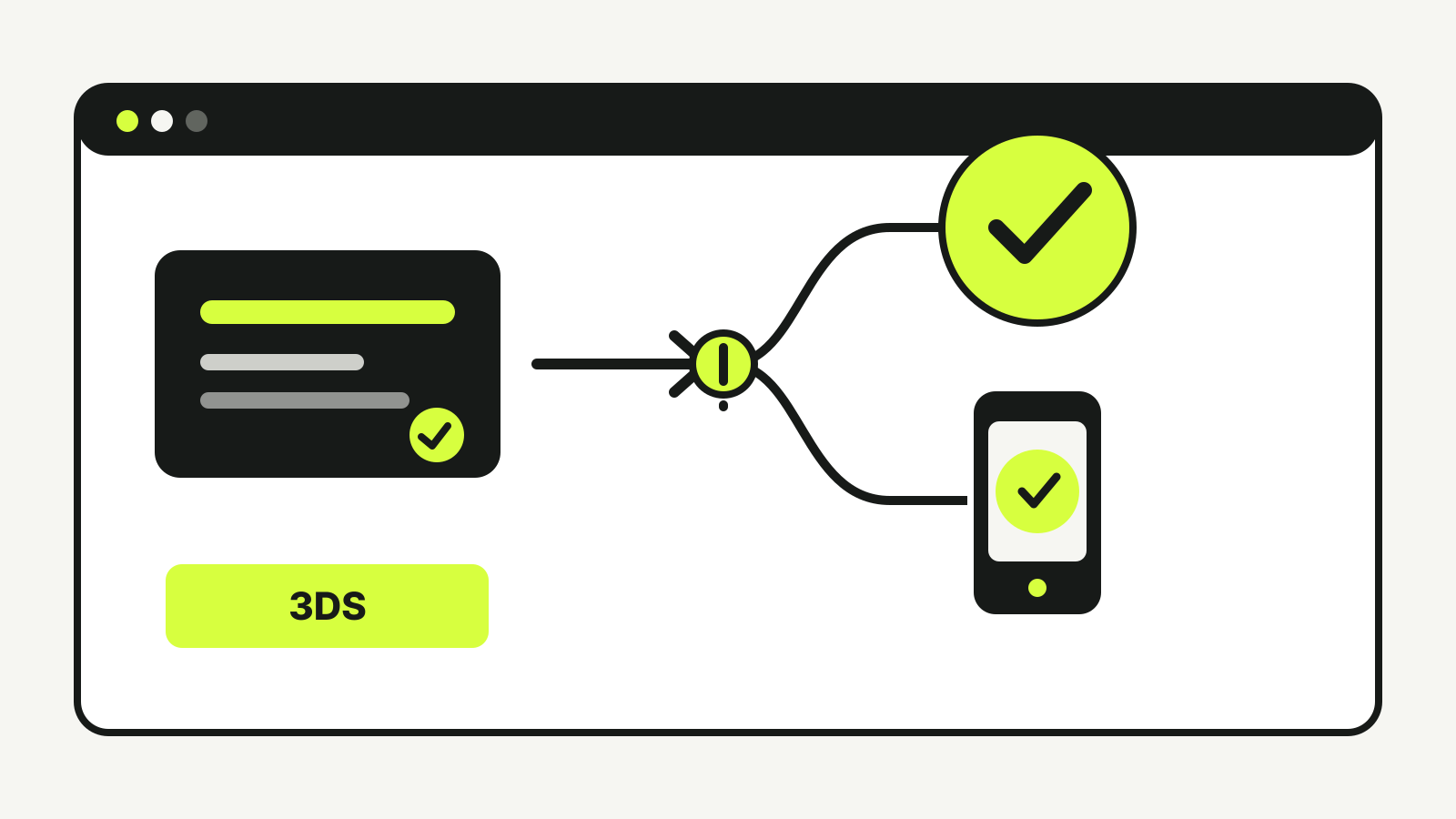
3D Secure: Frictionless vs Challenge
Frictionless and challenge are two 3DS paths. The issuer decides which one checkout must handle.
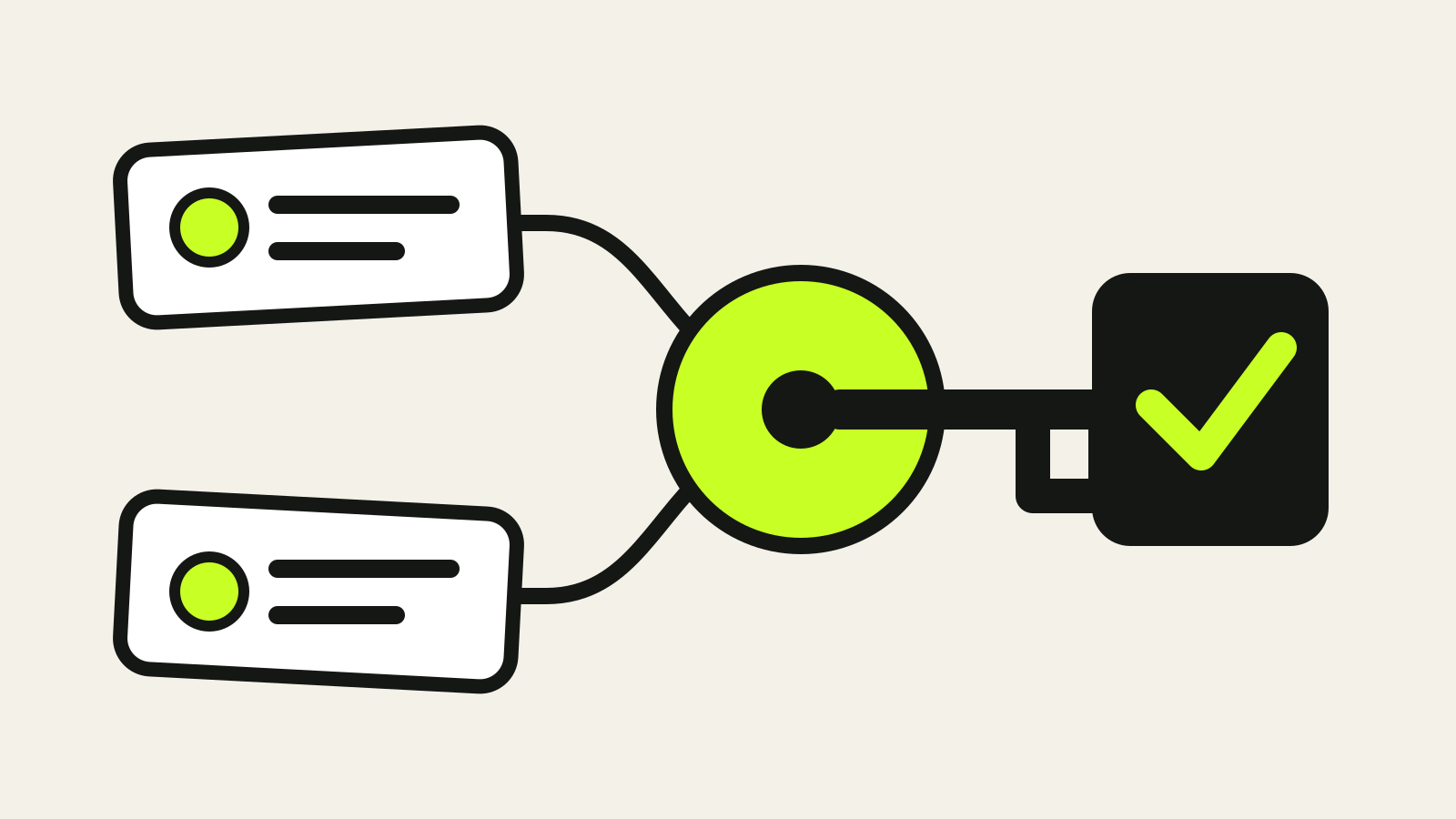
Idempotency Keys: Safe API Retries Without Duplicates
Reuse one operation key for retries, but reconcile uncertain outcomes before changing the request.
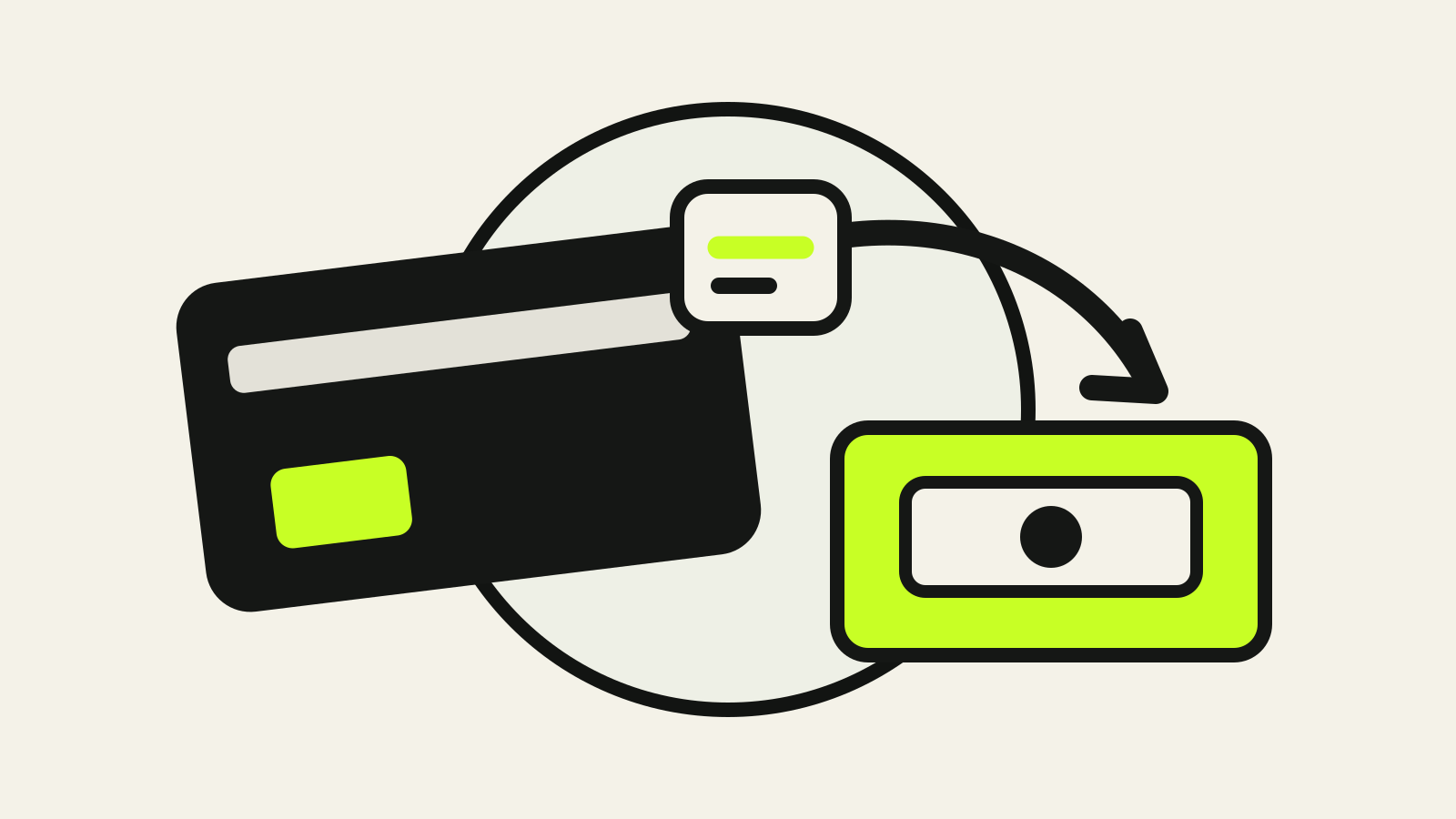
Card Authorization vs Capture: When Money Moves
Authorization reserves funds; capture starts collection. Here is how to track the gap safely.
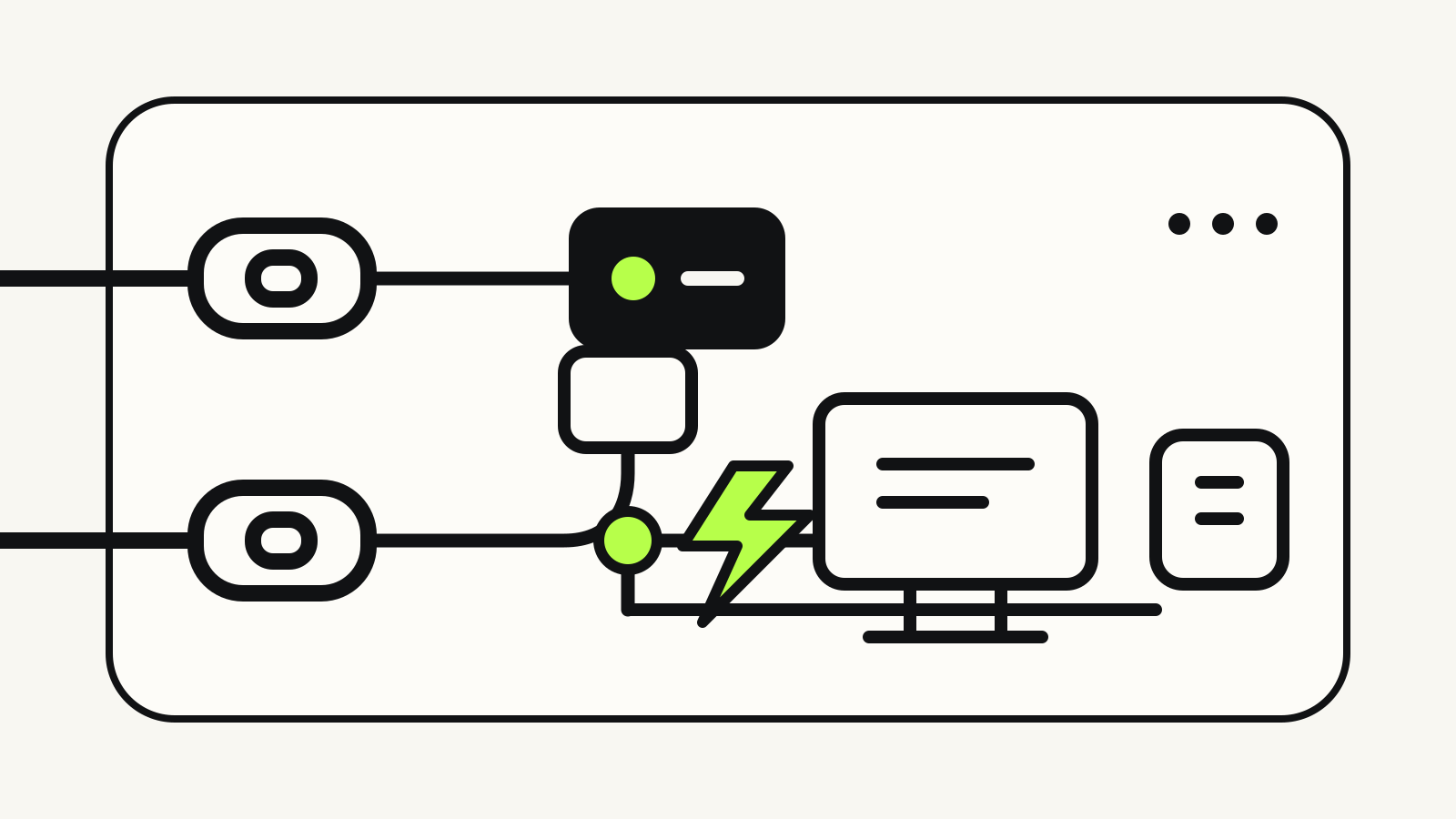
USB-C vs Thunderbolt: Same Plug, Different Promise
A practical guide to port labels, cable ratings, display support and charging.
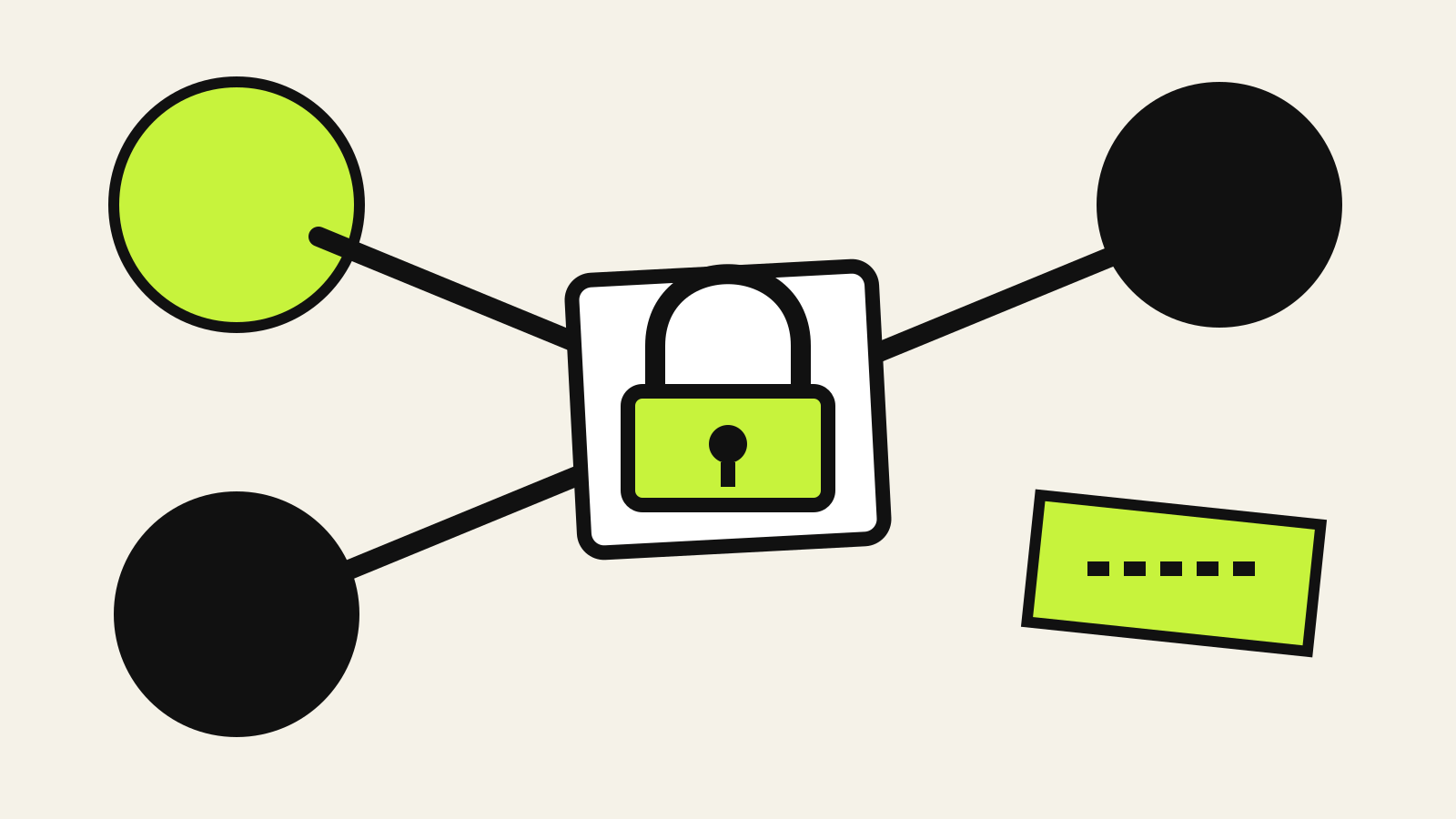
Multisig vs MPC Wallets: Where the Approval Rule Lives
Multisig exposes a threshold rule onchain; MPC can produce one signature from distributed key shares.
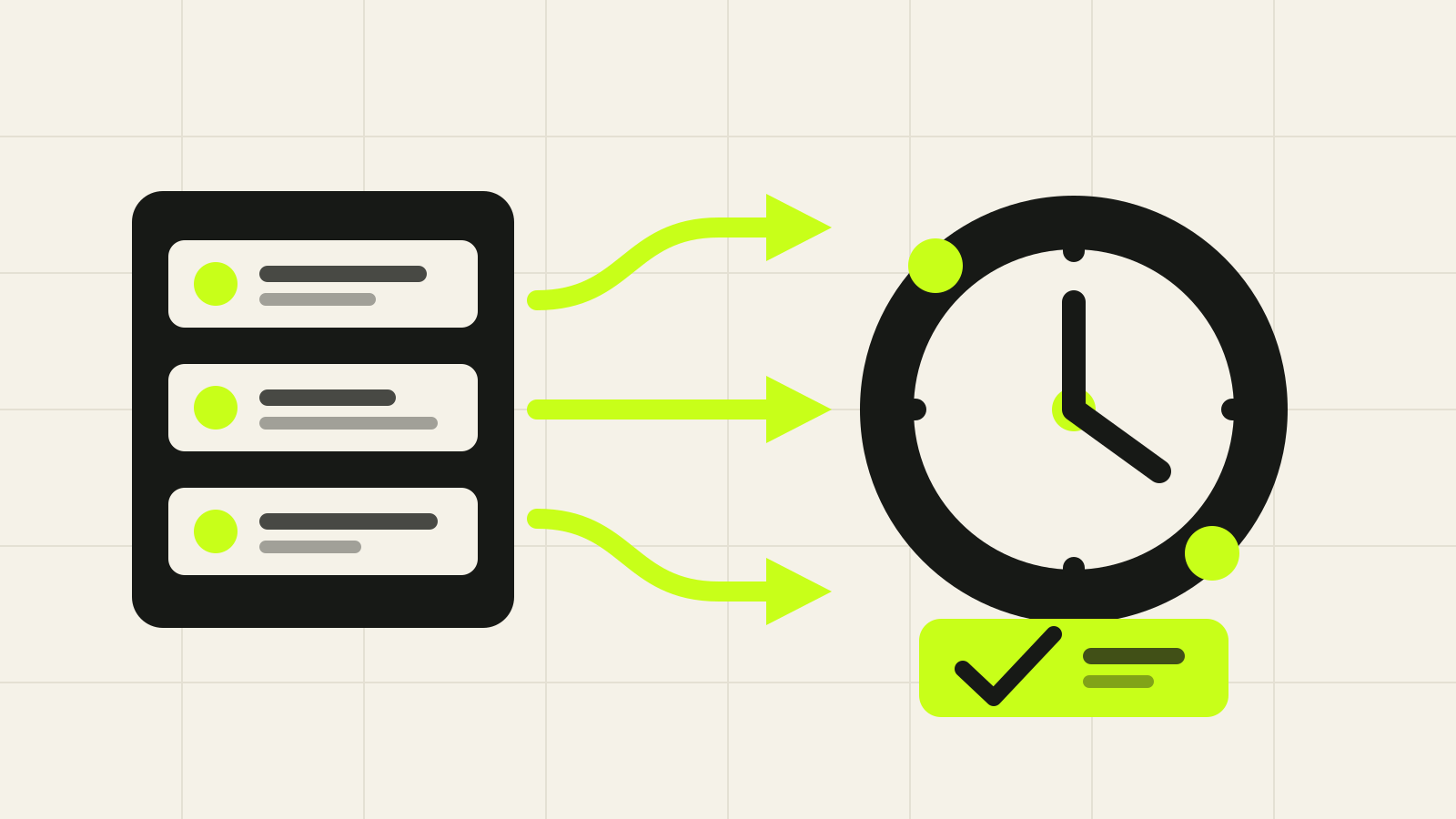
Webhooks vs Polling: Which Integration Fails Better?
Webhooks push events. Polling asks on a schedule. Compare latency, retries, rate limits and hybrid recovery.
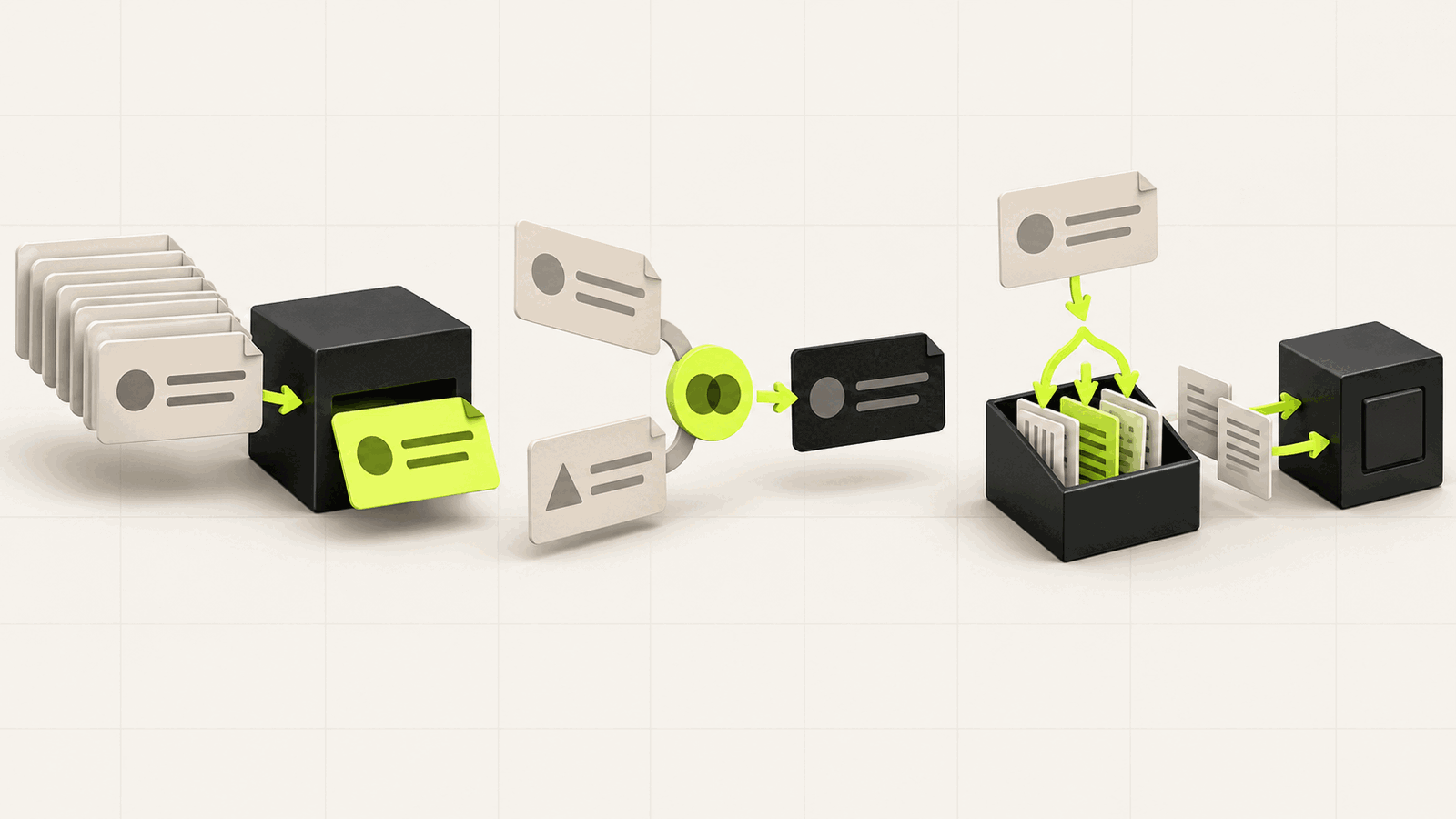
Prompt Caching vs Semantic Caching vs RAG
Prompt caching, semantic caching and RAG reuse different things. Pick the right layer for cost, safety and freshness.

Passkeys vs 2FA: What Changes When You Stop Typing Codes
A typed code can be relayed to a fake site. A passkey is tied to the real one. What that means for your accounts.

Stablecoins vs Tokenized Deposits: Who Owes You the Dollar?
Both move dollars on a ledger. One is a bank deposit with insurance rules; the other is a claim on an issuer's reserves.
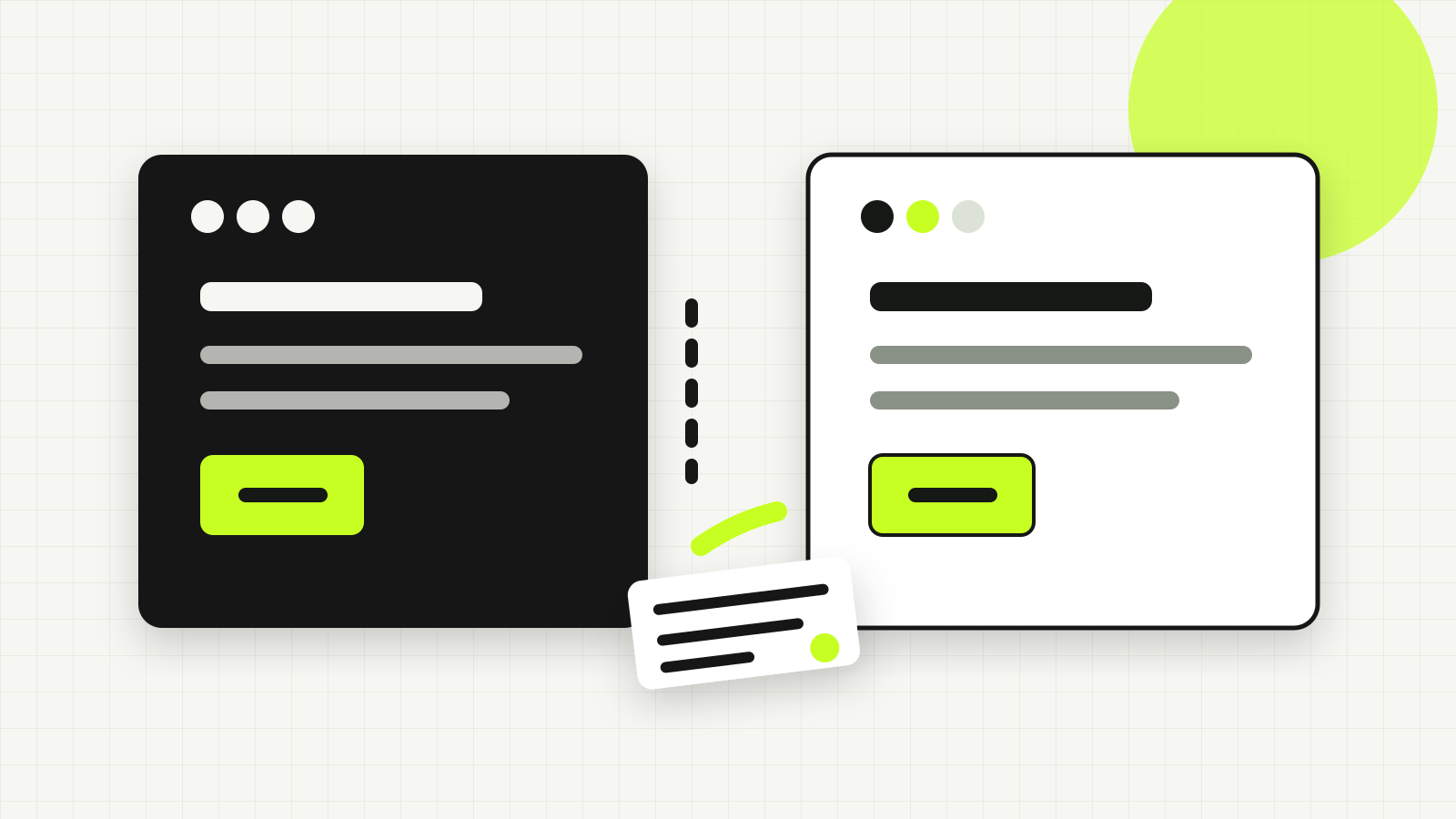
OpenAI API Billing: Why ChatGPT Plans Do Not Include Credits
ChatGPT and the OpenAI API use separate billing. API access needs its own organization, credits and limits.

Verification of Payee: What the Bank Name Check Means
Euro transfers now get a name check before you confirm: what match, close match and no match mean.

Semantic Versioning: What Major, Minor and Patch Promise
Semantic versioning sets what a version bump promises. npm ranges decide which releases your project installs.

Matter vs Thread: Which Role Does Your Smart Home Need?
Matter defines device behavior; Thread carries network traffic. A controller and border router do different jobs.

Upgradeable Smart Contracts: Who Can Change the Rules?
A proxy can keep one contract address while changing its implementation. Check who controls that change.

Payment Tokenization: Network Tokens and Processor IDs
A processor token and an EMV payment token can protect different parts of the same card transaction.

OpenAI API Rate Limits: Which 429 Errors Can Retry?
A 429 response can mean temporary traffic pressure or an account limit. Read its code before retrying.
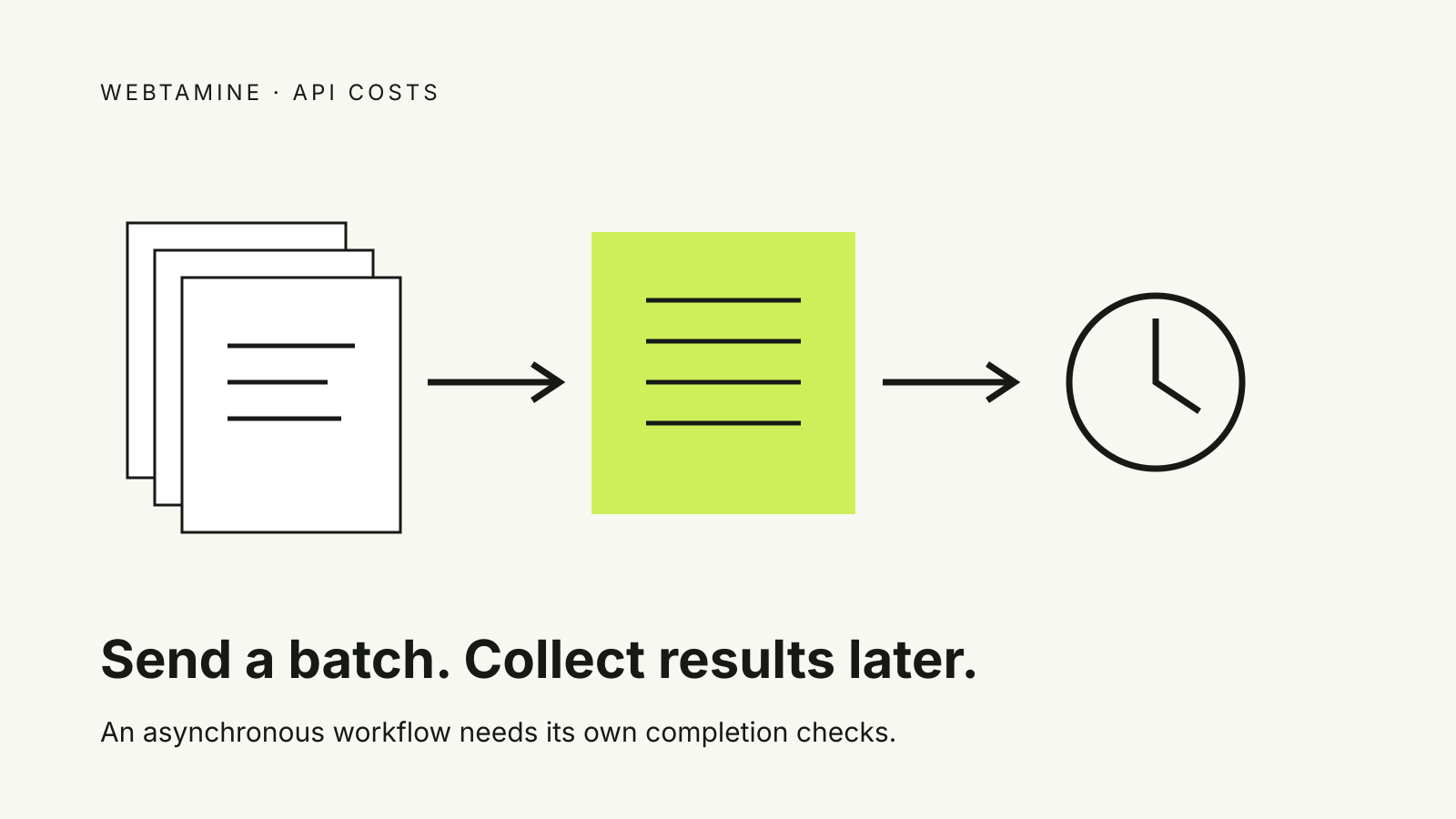
OpenAI Batch API: Lower Token Costs, Deferred Results
Batch processing discounts eligible API work, while identifiers, error files and expiration need their own handling.
Prompt caching costs: reads, writes and real savings
A worked example of API cache reads, writes and the cost of changing input and generated answers.

Open-Weight AI Models: What You Can Use and Change
A model download gives you files. The license tells you what you may do with them.

What You Own When You Buy a Tokenized Asset
The token records something. Its legal and financial structure determines what that is.

AI PCs Explained: What the NPU Actually Does
The chip matters when the software can use it for a task you actually need.

What Happens When a Major Cloud Region Goes Offline?
More servers help only when the dependencies needed to use them also survive.

A Wallet Signature Is Not Always a Login
A request with no gas fee can still authorize an action that affects your assets.

Can You Leave Your Notes App Without Losing Your Notes?
An export can preserve the words while losing the structure that made them useful.