
Fintech
Payments, digital banking and the systems that move money.
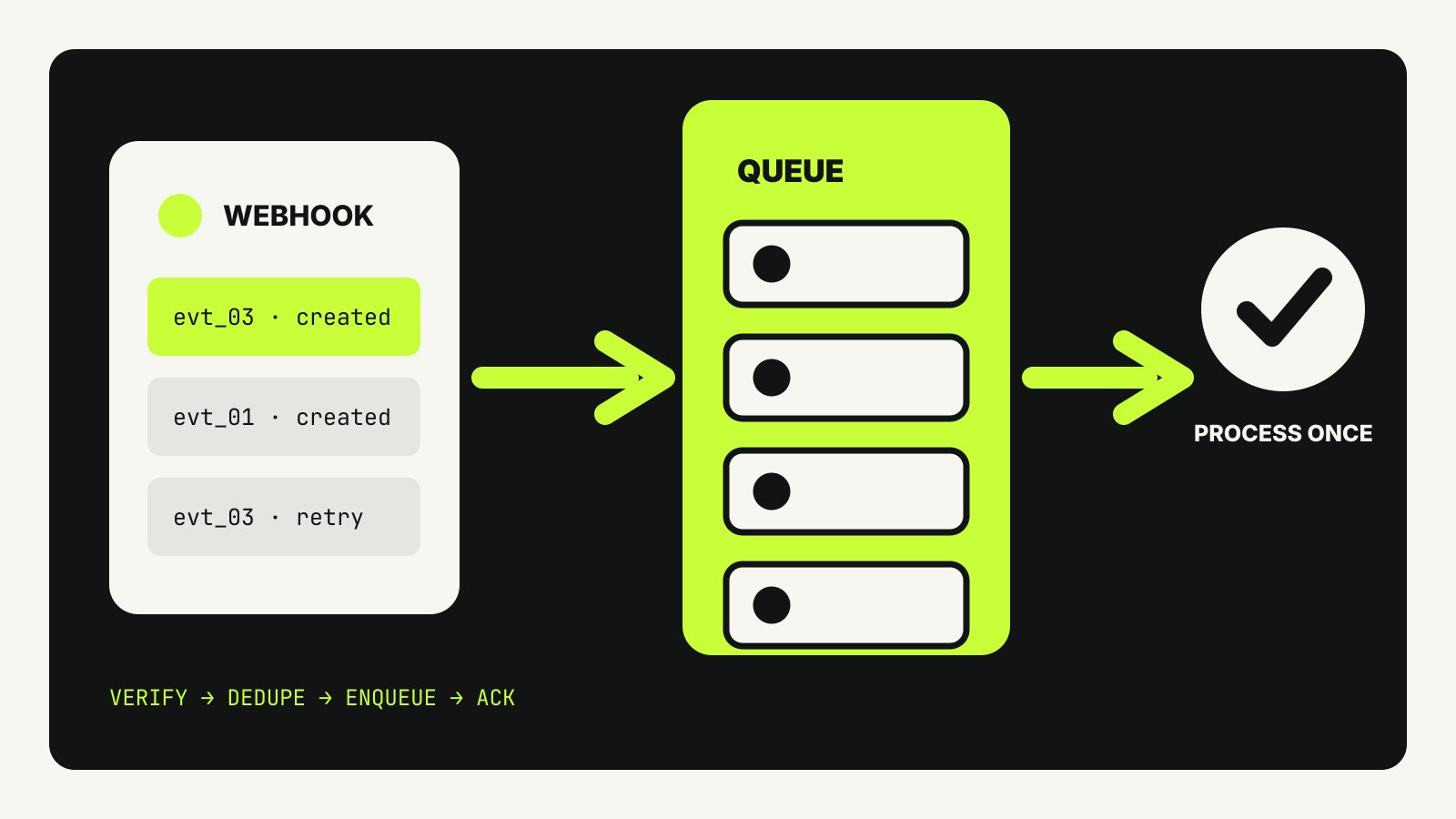
Stripe Webhook Event Ordering: Retries and Duplicates
Handle Stripe webhook ordering, retries and duplicates with a short endpoint, durable queue and layered idempotency.
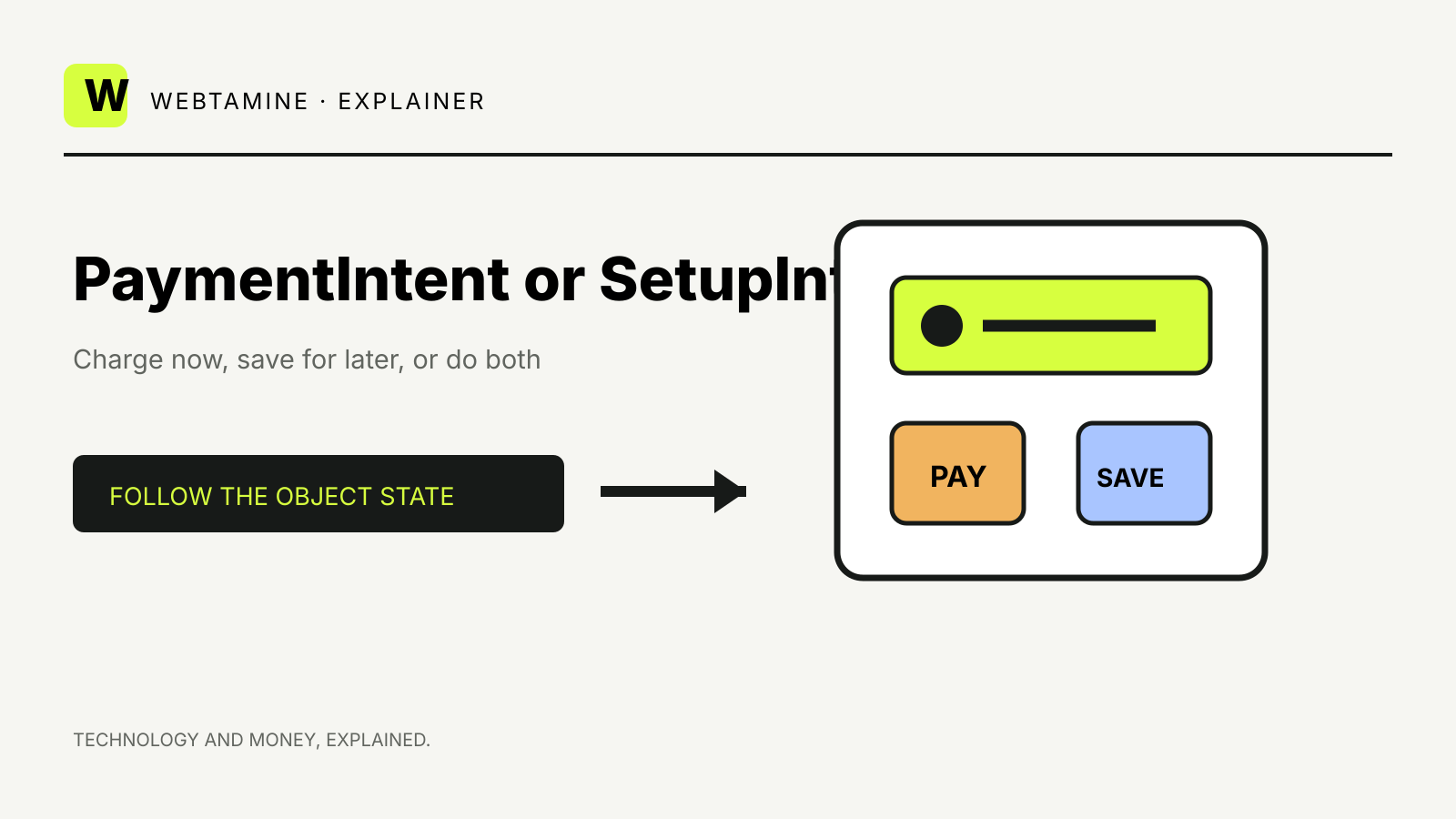
Stripe PaymentIntent vs SetupIntent: Which Object to Use
Use PaymentIntent to charge now, SetupIntent to save for later, or setup_future_usage to do both.
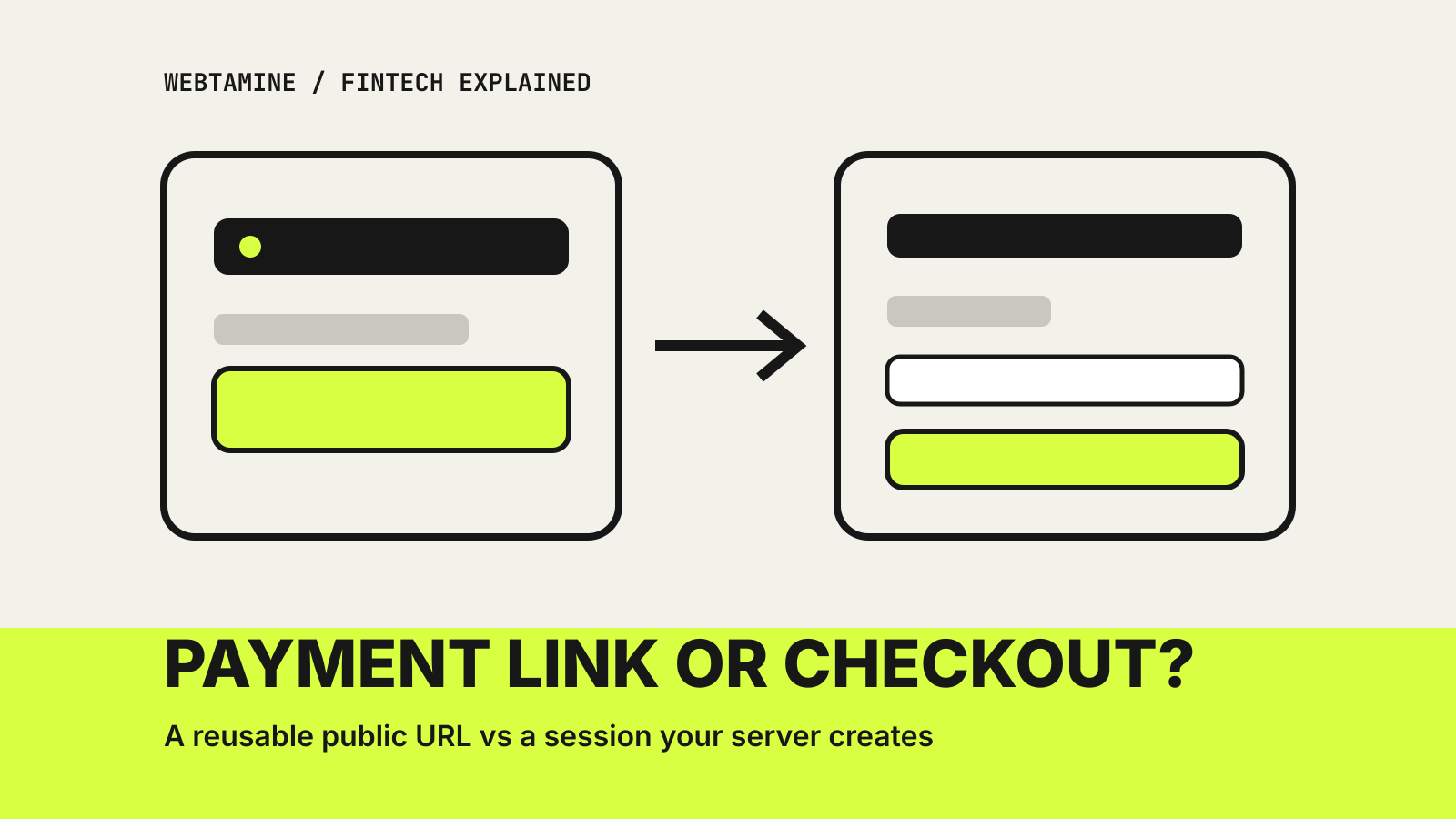
Stripe Payment Links vs Checkout Sessions: Where the Flow Starts
Choose a reusable Stripe Payment Link or a server-created Checkout Session by tracing where order context begins.
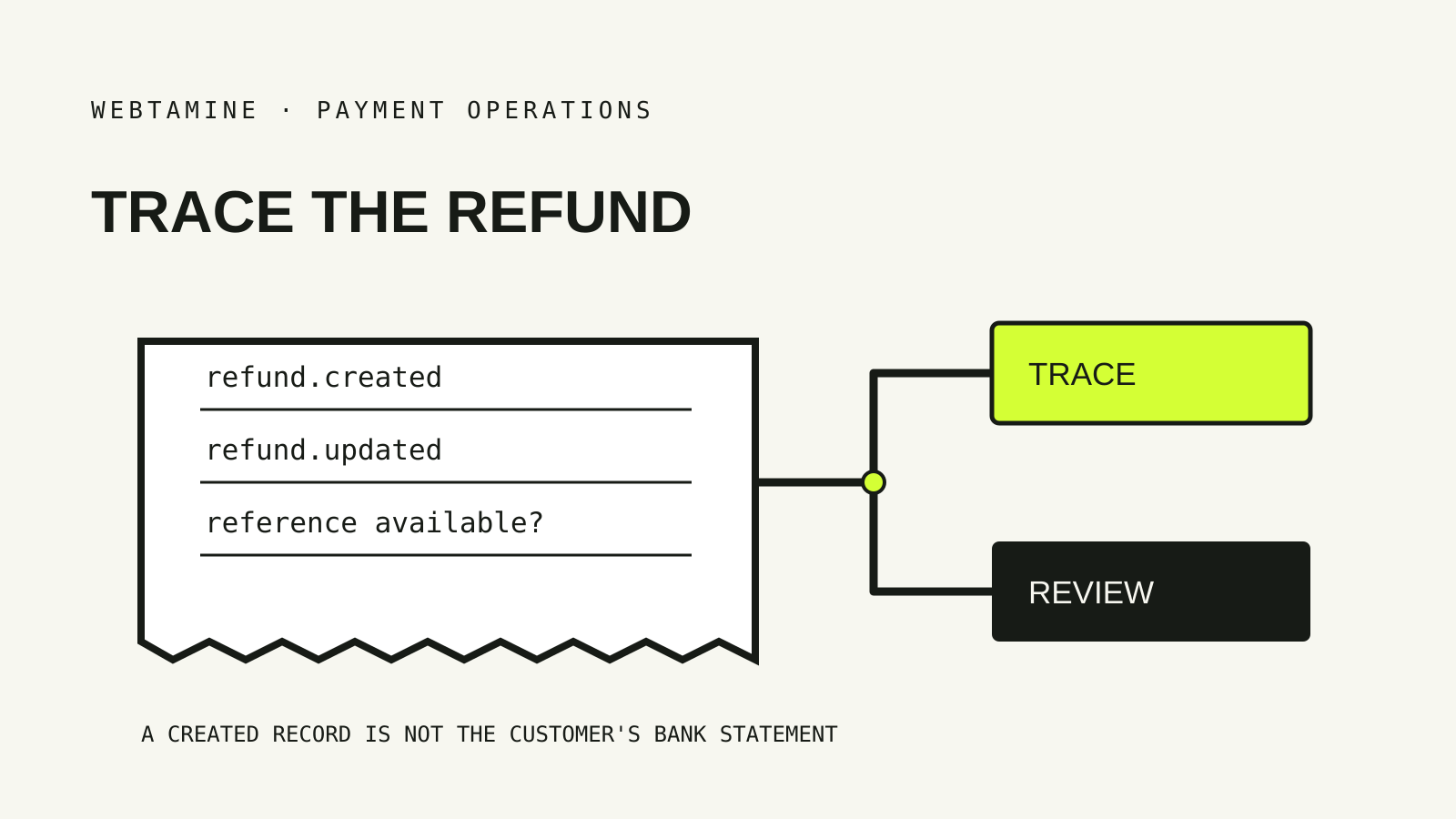
Stripe Refund Status: Track Changes and Trace the Result
Track the exact refund, read later changes and distinguish a reversal from a missing bank credit.
3D Secure: Frictionless vs Challenge
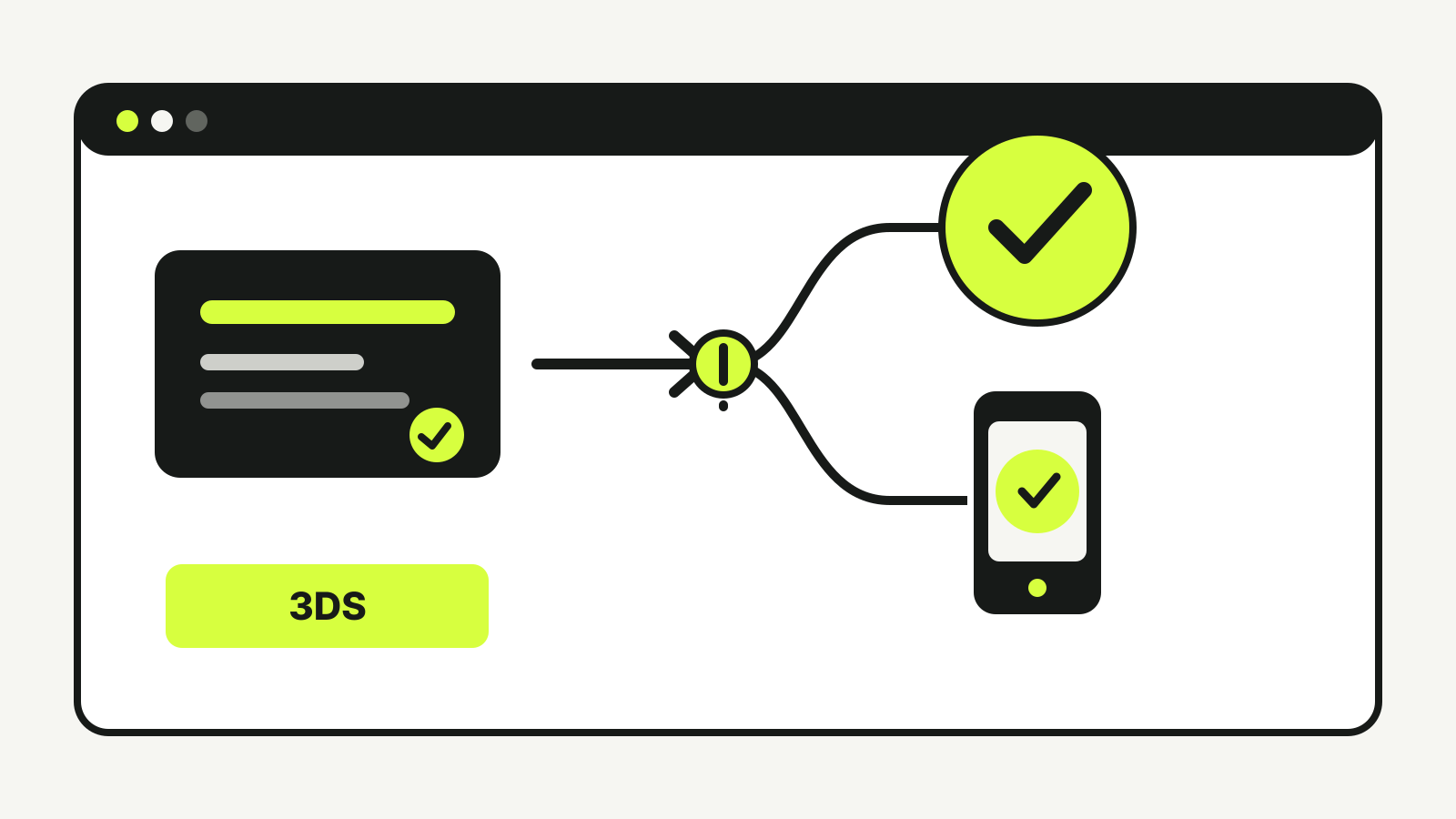
Frictionless and challenge are two 3DS paths. The issuer decides which one checkout must handle.
Card Authorization vs Capture: When Money Moves
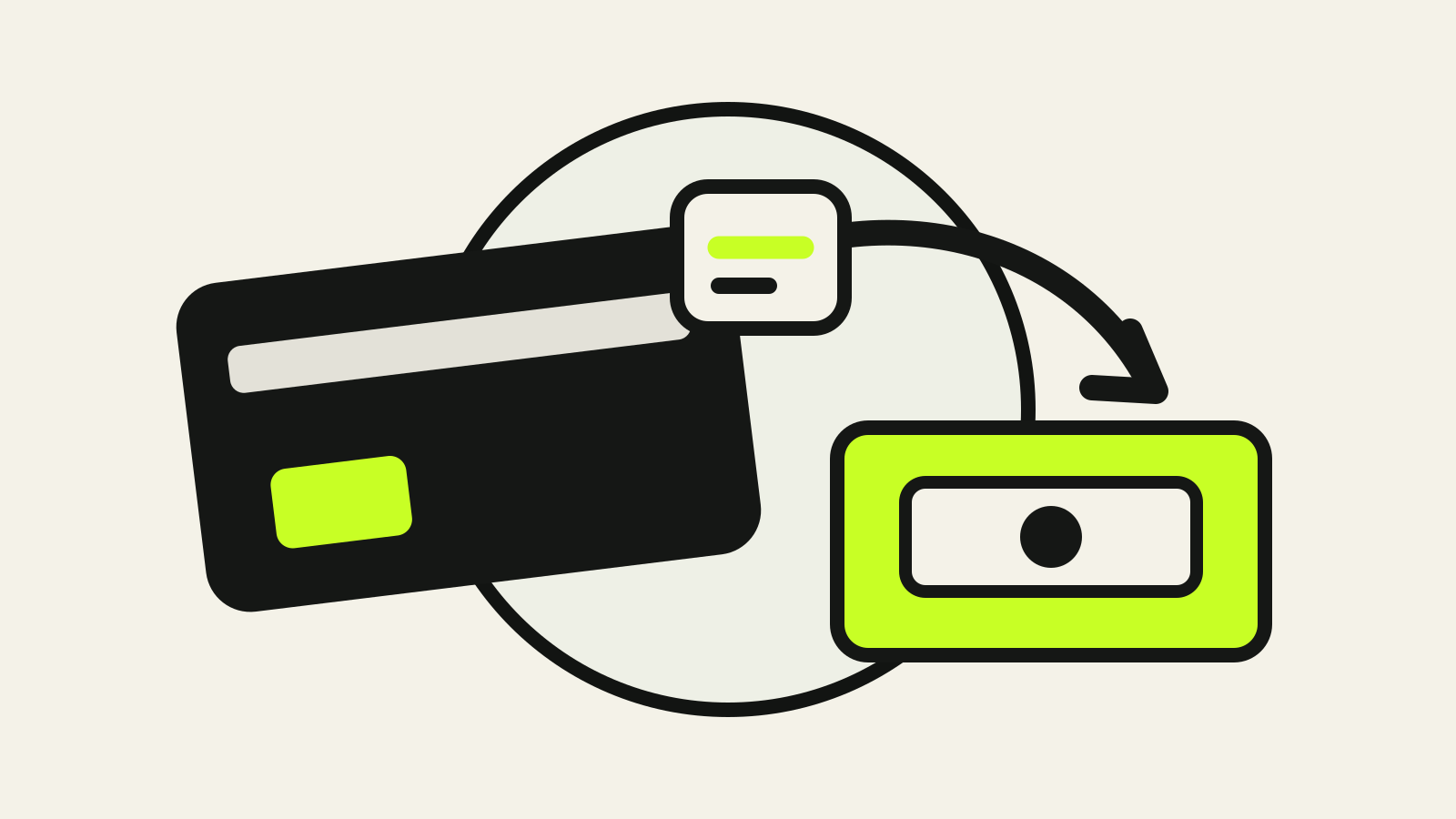
Authorization reserves funds; capture starts collection. Here is how to track the gap safely.

Verification of Payee: What the Bank Name Check Means
Euro transfers now get a name check before you confirm: what match, close match and no match mean.

Payment Tokenization: Network Tokens and Processor IDs
A processor token and an EMV payment token can protect different parts of the same card transaction.
Where Your Money Goes After You Tap to Pay
The terminal says approved. The merchant may still be waiting for the money.

What a Zero-Fee International Transfer Actually Costs
Compare what leaves your account with what the recipient can actually use.

Stablecoin Payments: From Checkout to Bank Account
Confirmation times by network, a $200 fee example and why a confirmed transfer is not money in the bank.
Follow money through the stages hidden behind a fast checkout or a simple transfer screen. These guides explain authorization, settlement, conversion and payout, then show where fees, eligibility and timing can change the result.
The first articles cover card payments, stablecoin purchases and international transfers advertised without a fee. Use the Fintech desk to connect that background with current infrastructure announcements. Numerical examples are labeled as hypothetical, and provider-specific behavior is kept separate from general descriptions of the payment process.