
Software
Apps, browsers, productivity and developer tools.
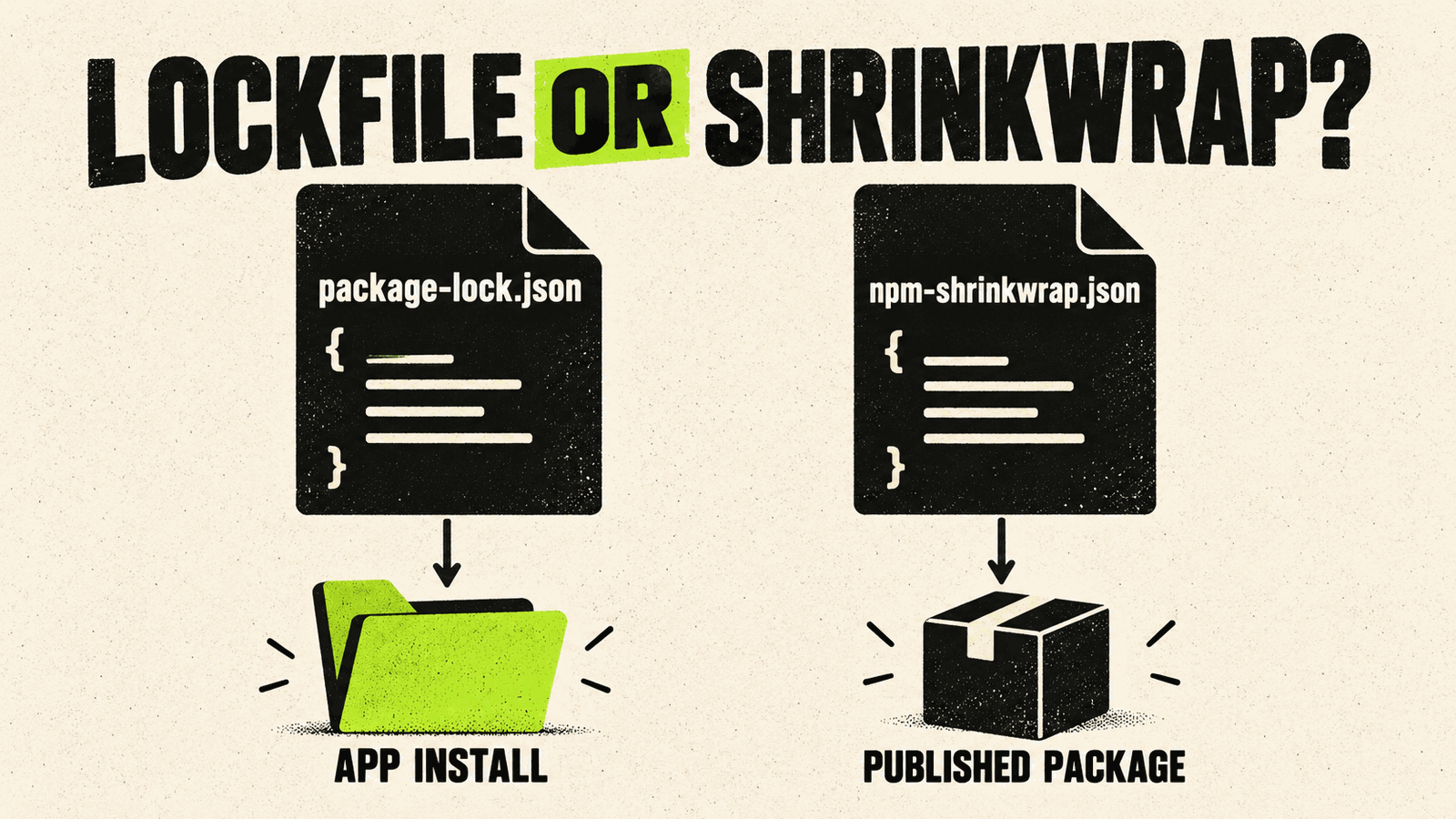
package-lock.json vs npm-shrinkwrap.json
Choose the right npm lockfile for an app, library or published package, and know what npm ci enforces.
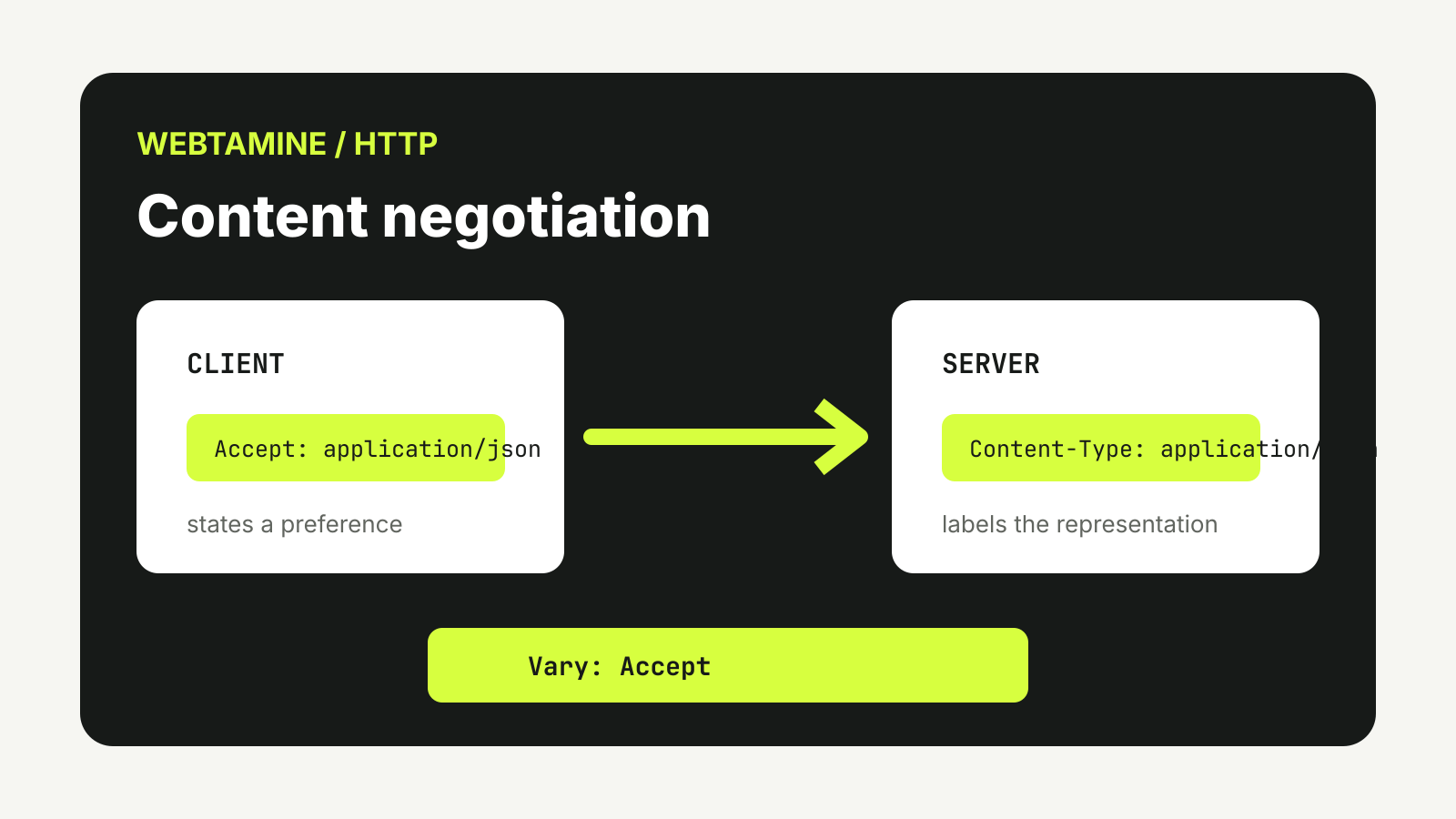
HTTP Content Negotiation: Accept, Content-Type and Vary
Use Accept, Content-Type and Vary correctly so APIs select representations without breaking shared caches.
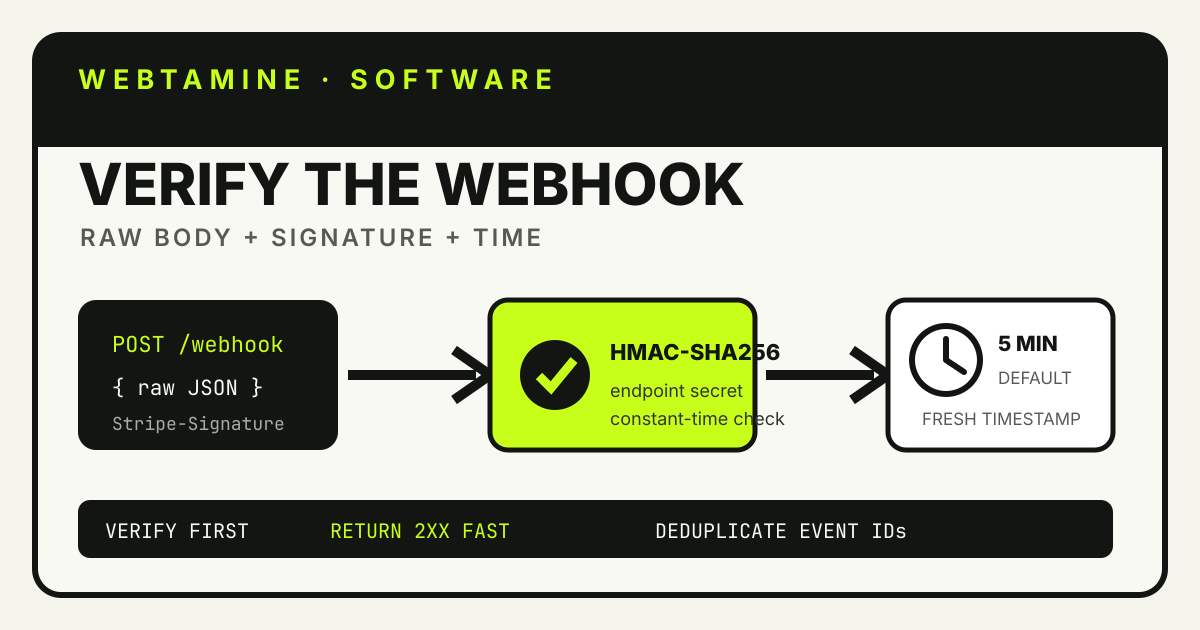
Stripe Webhook Signature Verification: Check the Raw Request
Verify Stripe webhooks with the raw body, signature header, endpoint secret, timestamp checks and duplicate controls.
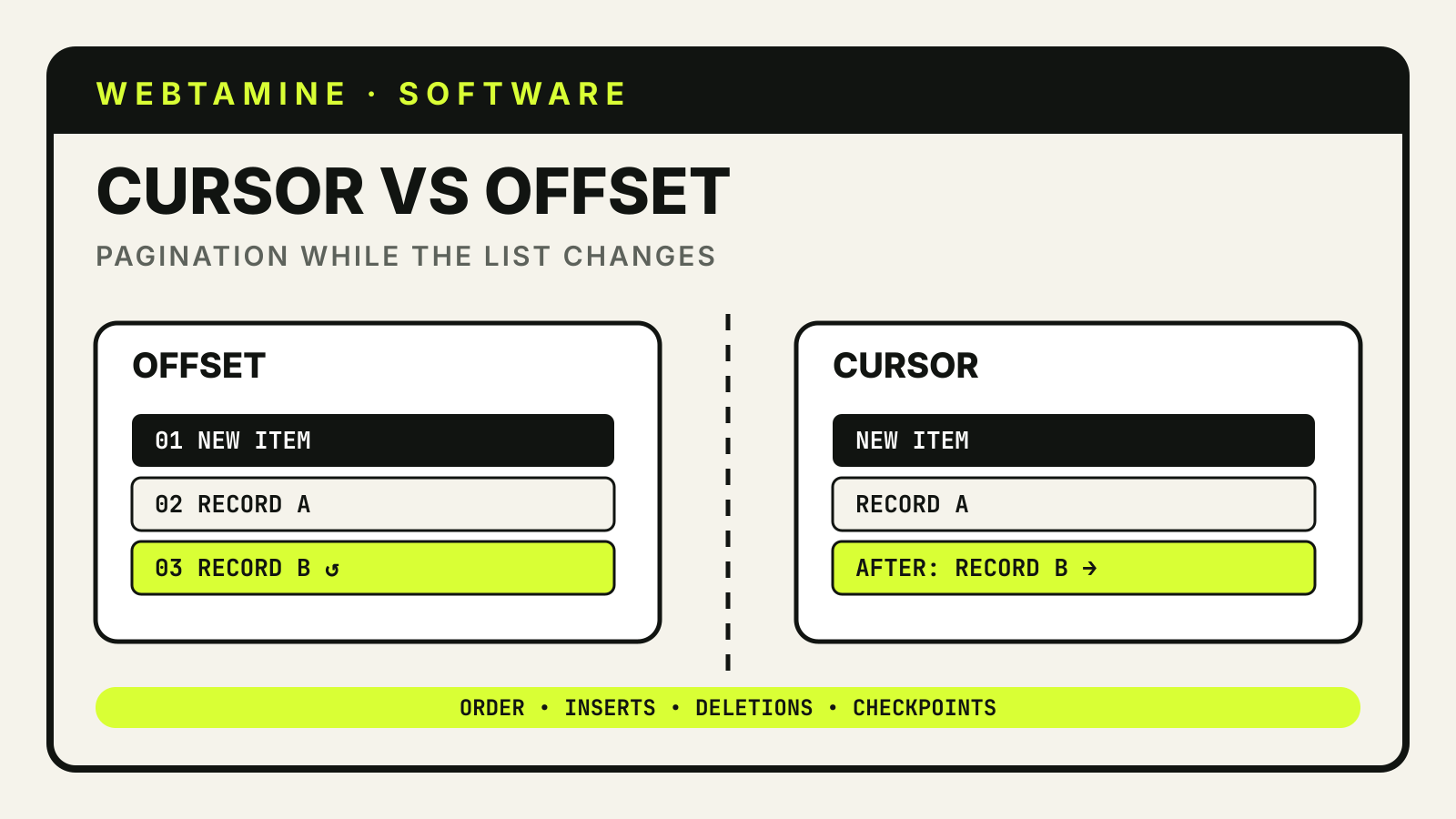
Cursor vs Offset Pagination: What Changes Under Inserts
Compare cursor and offset pagination when records move, repeat or change during a long API traversal.
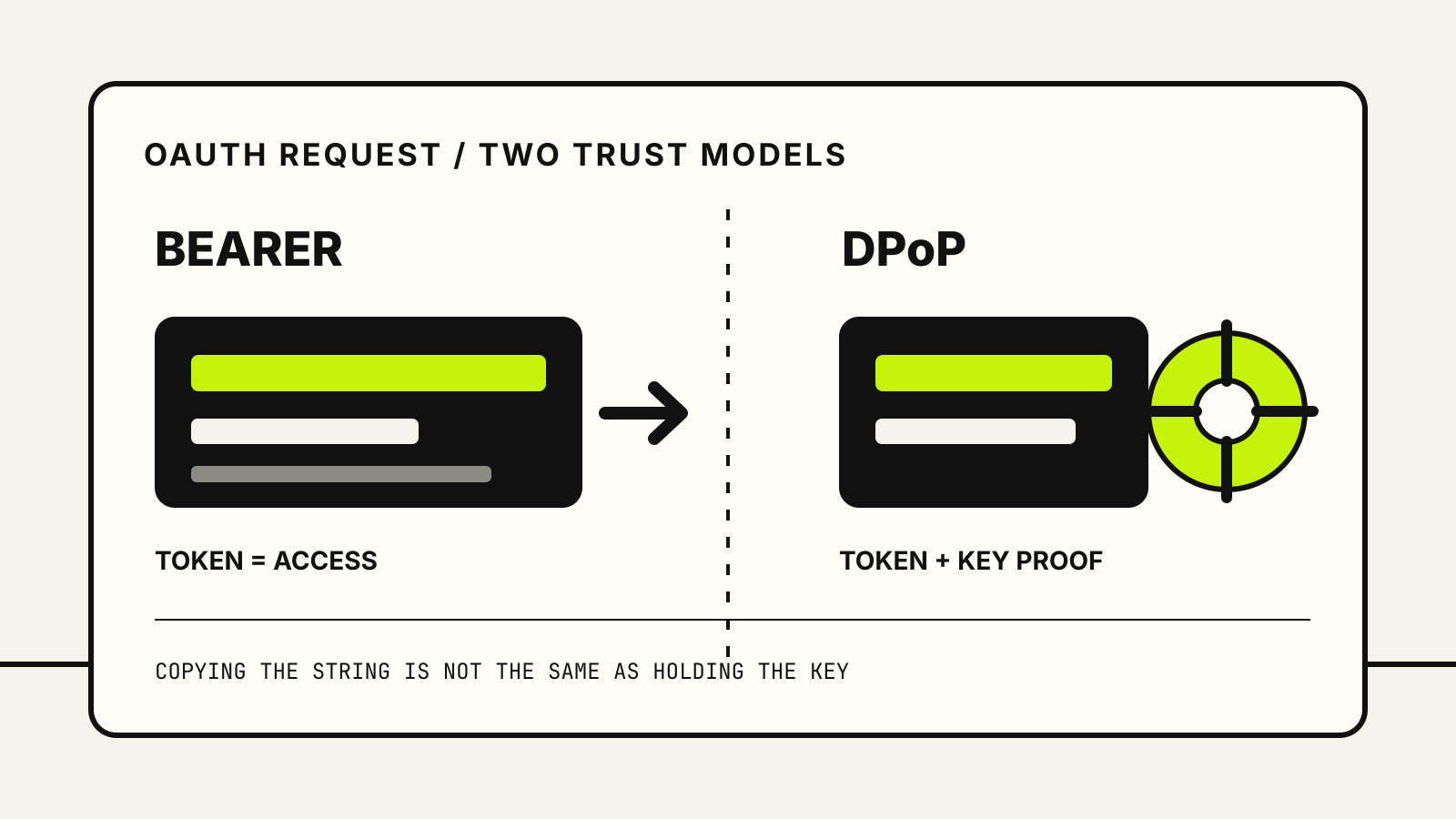
DPoP vs Bearer Tokens: What Proof of Possession Changes
How DPoP binds OAuth tokens to a client key, what replay checks add and which risks still remain.
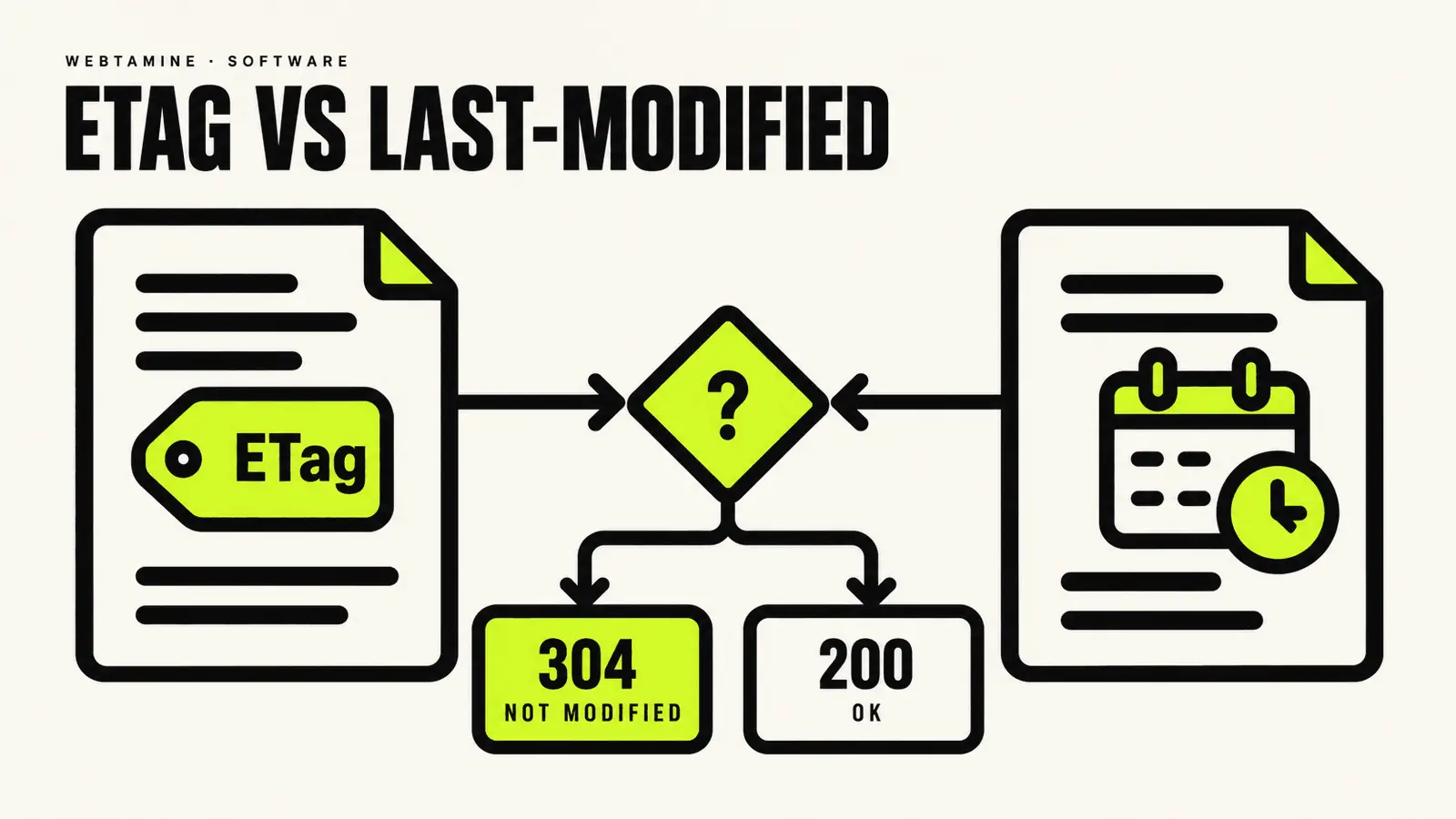
ETag vs Last-Modified: Choosing an HTTP Validator
Choose the right HTTP validator for caching, conditional requests and safe concurrent updates.
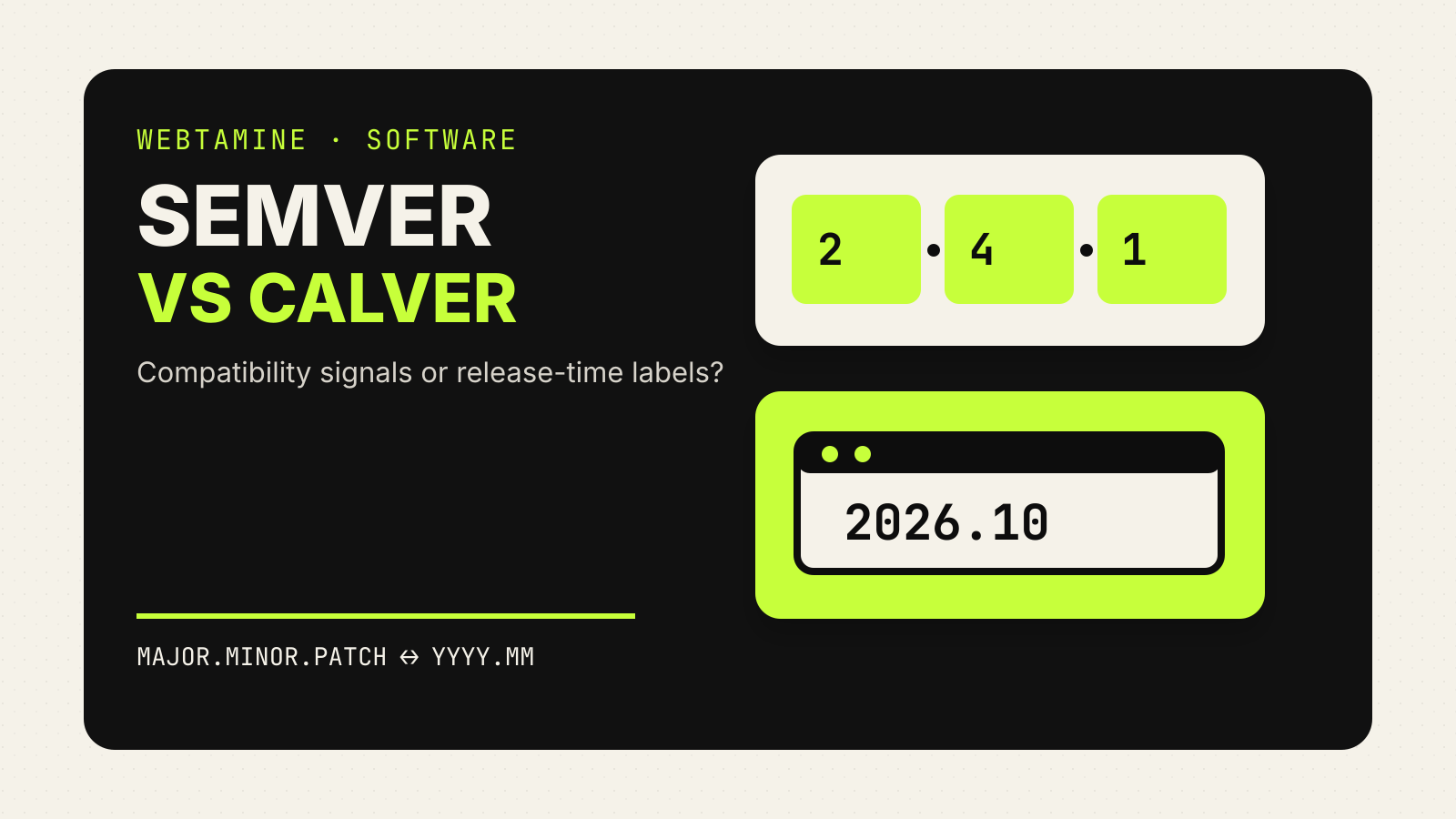
Semantic Versioning vs Calendar Versioning
SemVer signals API compatibility; CalVer signals release timing. Choose the contract your users need.
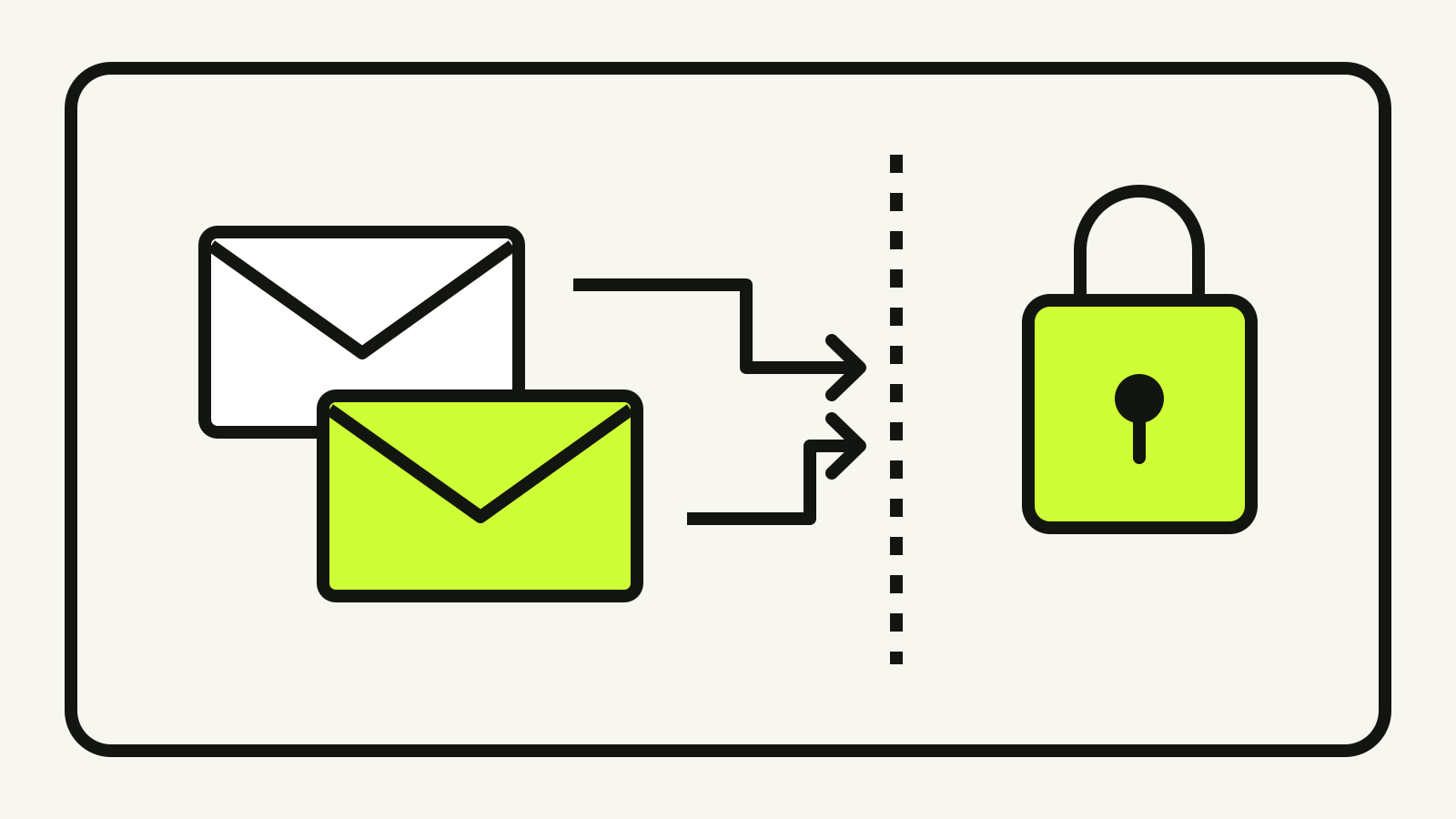
TLS 1.3 0-RTT: Why Early API Requests Can Replay
Early TLS requests save waiting, but encryption alone cannot prevent a repeated API action.
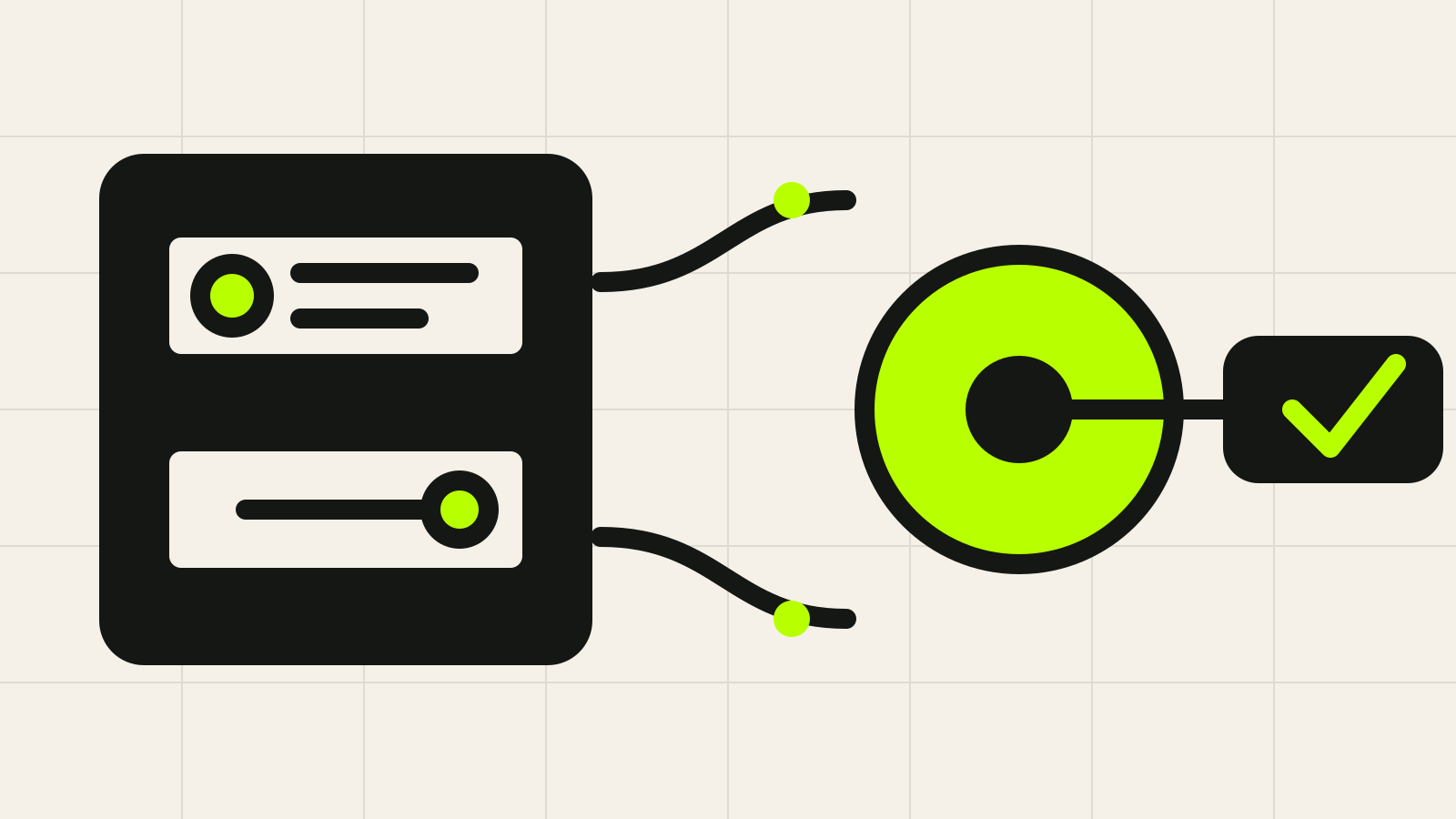
OAuth vs API Keys: Choosing an API Authentication Method
OAuth and API keys identify different actors. Here is how to choose by principal, scope, lifetime and revocation.
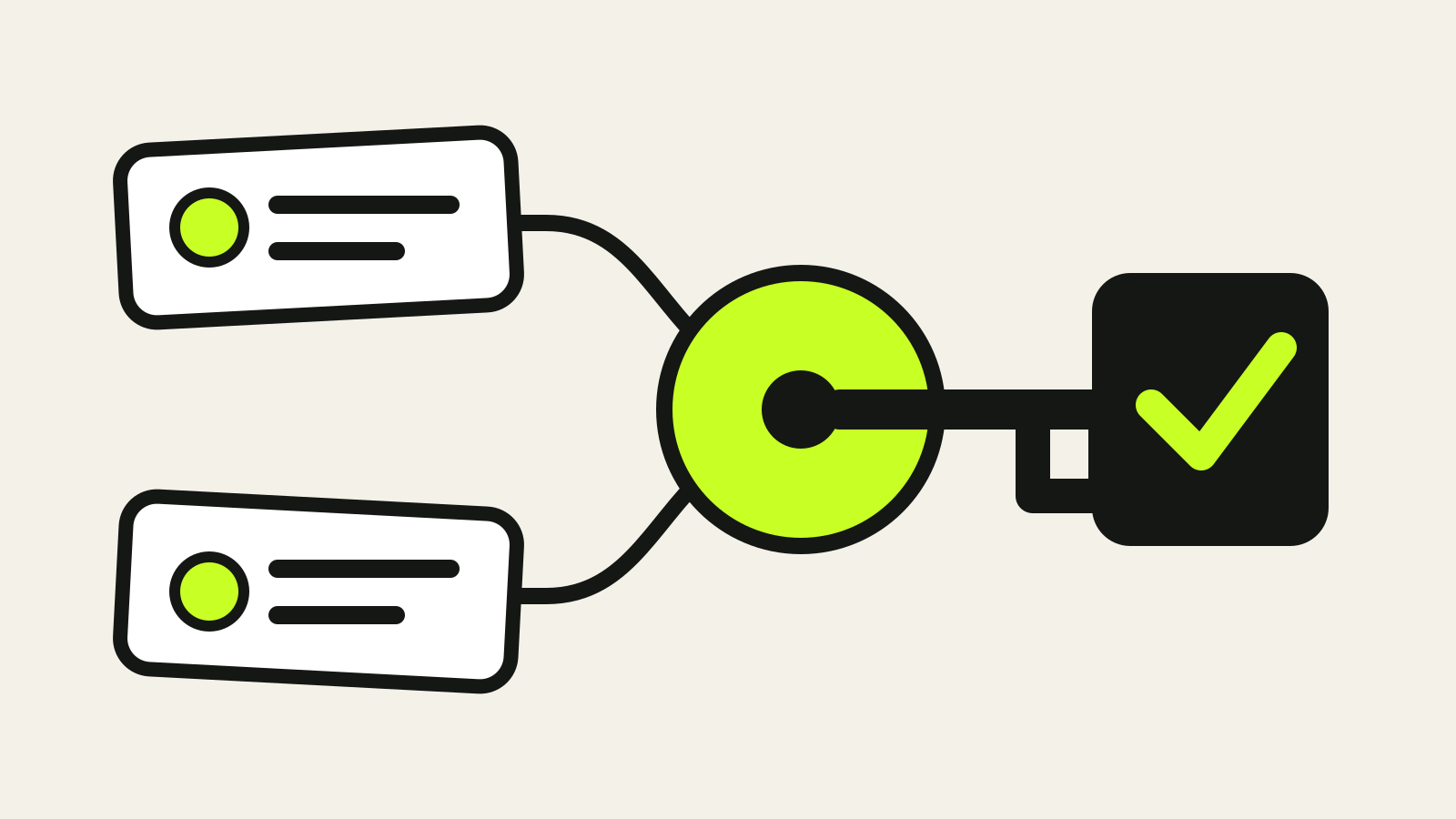
Idempotency Keys: Safe API Retries Without Duplicates
Reuse one operation key for retries, but reconcile uncertain outcomes before changing the request.
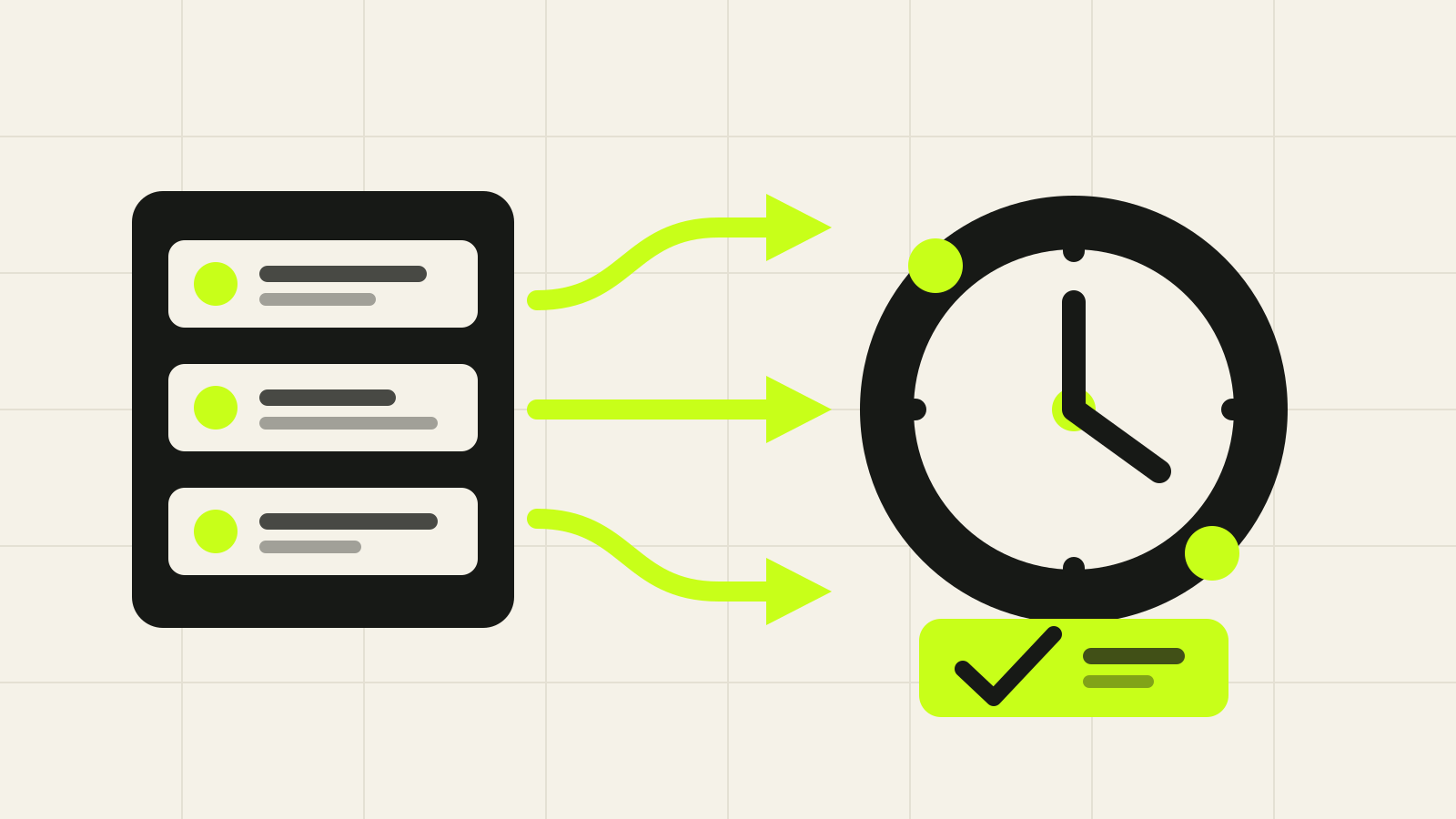
Webhooks vs Polling: Which Integration Fails Better?
Webhooks push events. Polling asks on a schedule. Compare latency, retries, rate limits and hybrid recovery.

Semantic Versioning: What Major, Minor and Patch Promise
Semantic versioning sets what a version bump promises. npm ranges decide which releases your project installs.

Can You Leave Your Notes App Without Losing Your Notes?
An export can preserve the words while losing the structure that made them useful.

What Browser Extensions Can Read, and How to Check
Check the websites an extension can access as well as the browser features it can use.

Local-First Apps: What Works Without the Internet
A local copy is useful. It does not automatically make every feature work offline.
Check the parts of an application that matter after installation: what happens offline, what leaves the device, which permissions remain active and whether your data can move elsewhere. These guides explain workflows and limits using the relevant product documentation.
Begin with notes-app exports, local-first software or browser-extension access. The Software desk pairs this background with release coverage. A guide is not presented as a hands-on review unless testing actually took place and its conditions are described.