
Crypto
Blockchains, wallets, digital assets and market infrastructure.
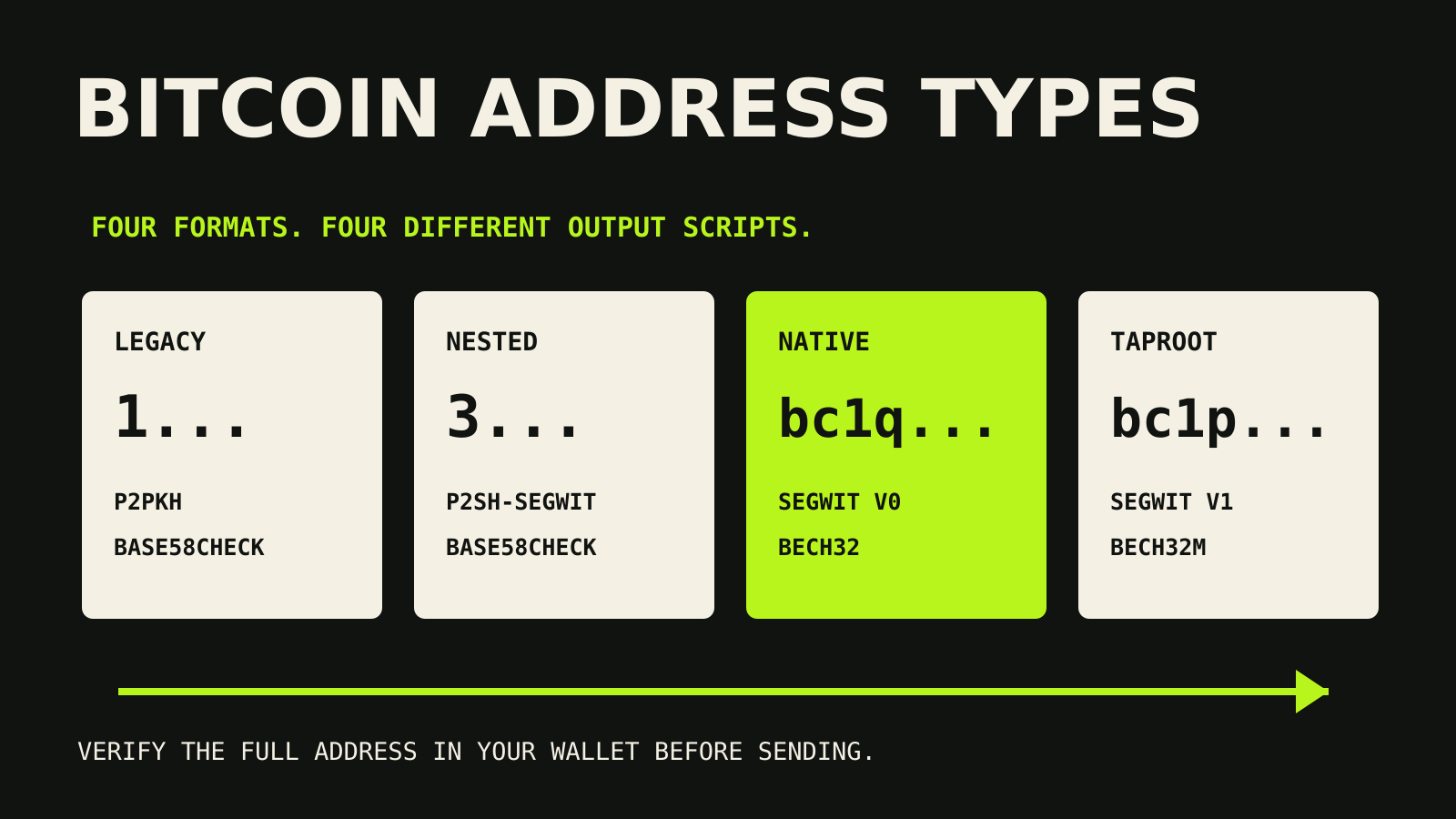
Bitcoin Address Types: Legacy, SegWit and Taproot
How legacy, nested SegWit, native SegWit and Taproot Bitcoin addresses differ—and what their prefixes cannot prove.
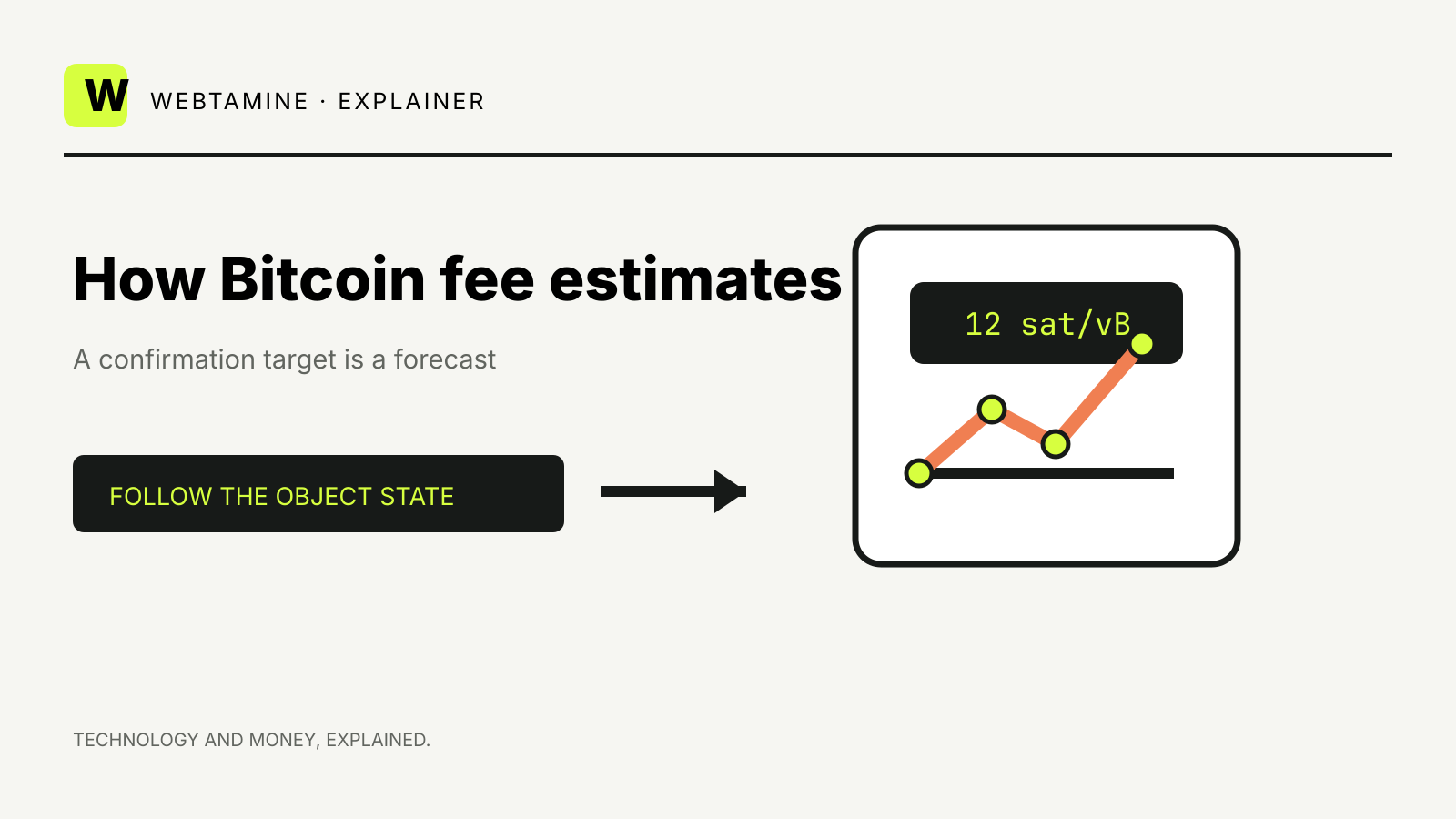
Bitcoin Fee Estimation: Fee Rate, vBytes and Targets
Turn a confirmation target and virtual size into a fee-rate estimate without treating it as a guarantee.
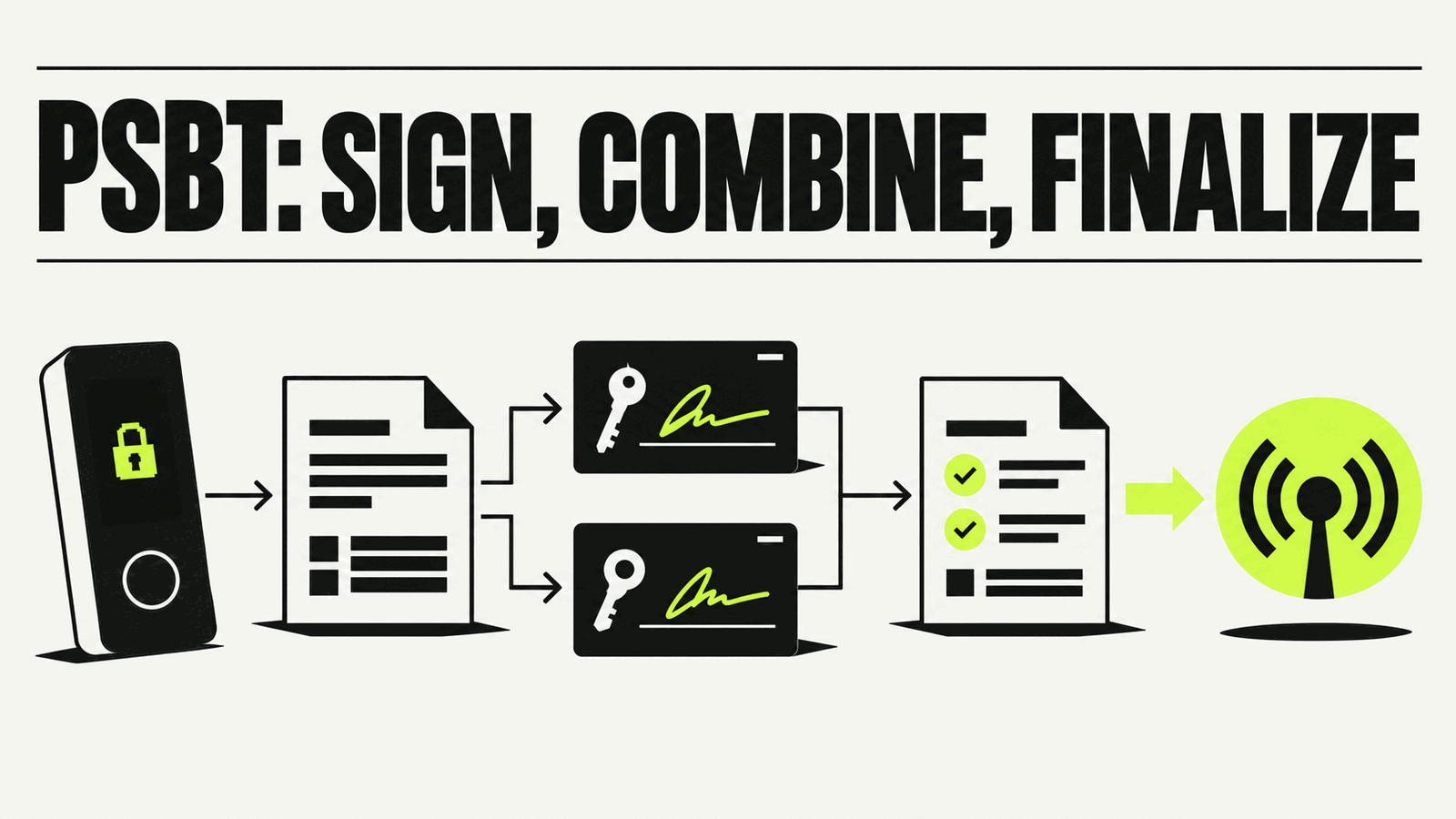
Bitcoin PSBT: How Signing, Combining and Finalizing Work
Follow a Bitcoin PSBT from unsigned proposal through offline signing, combination, finalization and broadcast.

Watch-Only Wallets: Track Bitcoin Without Private Keys
A watch-only wallet tracks Bitcoin activity without holding the private keys needed to spend.

Multisig vs MPC Wallets: Where the Approval Rule Lives
Multisig exposes a threshold rule onchain; MPC can produce one signature from distributed key shares.

Stablecoins vs Tokenized Deposits: Who Owes You the Dollar?
Both move dollars on a ledger. One is a bank deposit with insurance rules; the other is a claim on an issuer's reserves.

Upgradeable Smart Contracts: Who Can Change the Rules?
A proxy can keep one contract address while changing its implementation. Check who controls that change.

What You Own When You Buy a Tokenized Asset
The token records something. Its legal and financial structure determines what that is.

A Wallet Signature Is Not Always a Login
A request with no gas fee can still authorize an action that affects your assets.

Where Stablecoin Yield Comes From
Before comparing yields, identify who pays the return and what can interrupt it.
Read the mechanics before comparing a token, permission request or displayed return. These guides explain the authority a wallet signature can grant, the sources that can fund stablecoin yield and the different claims a tokenized asset may represent.
Each explanation links to original documentation and identifies where the exact product terms matter. The Crypto desk also follows relevant infrastructure and market-data news. The articles provide a framework for understanding products rather than personalized investment recommendations or promises about prices and returns.